
Facts About Dance: Fun, Historical, Cultural, and Surprising Dance Facts
Dance is one of the oldest documented forms of human expression. Long before modern theaters and dance studios existed, people used movement, rhythm, gesture, and music in ceremonies, celebrations, storytelling, social gatherings, and performance.
These facts about dance explore its history, culture, physical demands, traditions, dancers, and modern influence. From ancient visual records and European court ballet to folk traditions, viral choreography, and dance/movement therapy, dancing has continually adapted to the societies that practice it.
Table of Contents:
Quick Dance Facts You Should Know
Before exploring the subject in more detail, here are a few quick dance facts that show how broad and varied this art form can be.
- Dance has ancient roots. Art and written records from ancient civilizations show people dancing in ceremonial, social, religious, and performance settings thousands of years ago.
- Dance appears in cultures around the world. Its movements, meanings, music, clothing, and traditions differ widely, but dancing is found in societies across the globe.
- Dance can communicate without spoken words. Gesture, posture, timing, facial expression, spacing, and movement quality can convey emotion, relationships, character, and narrative.
- Dance combines art with physical skill. Depending on the style, dancers may rely on balance, coordination, strength, flexibility, rhythm, spatial awareness, memory, and expressive control.
- Dancing can also be physical activity. Its demands vary by style and intensity, but many forms of dance challenge endurance, balance, coordination, mobility, and muscular control.
Fun Facts About Dance
Some fun facts about dance come from the way dancers organize movement, make rhythm, and turn simple steps into traditions or trends that can spread far beyond where they began.
1. Many choreographers teach movement in counts of eight. In music organized in common 4/4 time, two measures create eight beats, so eight-counts provide a practical way to group and remember many dance phrases. Not every style uses this system, but it is common in jazz, hip-hop, commercial dance, and many dance classes.
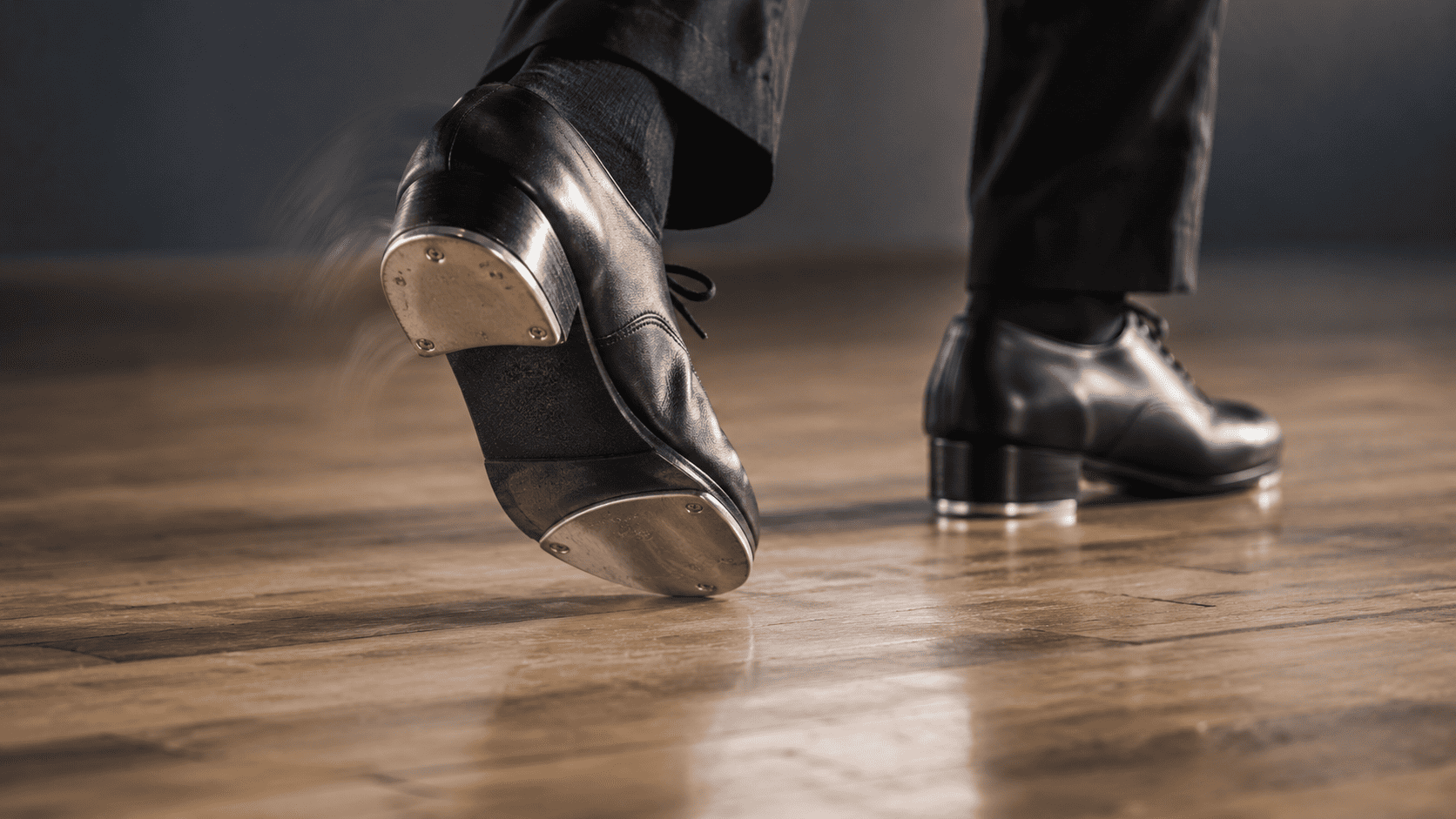
2. Tap dancers create rhythm as well as movement. Metal taps attached to the toe and heel of tap shoes allow dancers to produce percussive sounds with their feet, making rhythm part of the choreography itself.
3. The waltz was once criticized for being too intimate. As the waltz spread through Europe, some observers objected to the close hold between partners. A dance that later became a ballroom standard was once considered socially daring by some audiences.
4. Dancing does not always need music. Contemporary and experimental performers may dance in silence or use breath, footsteps, spoken words, or body percussion as part of the soundscape. Movement can create structure and meaning even without a conventional song.
5. Dance crazes can spread through imitation and media. The Twist, the Macarena, the floss, and many short-form social media routines became widely recognizable because people could watch, copy, adapt, and share them. The technology has changed, but imitation has long helped popular dances travel.
Historical Facts About Dance
The history of dance stretches across ancient ritual, court entertainment, social dancing, theatrical performance, street culture, and digital media.
1. Ancient civilizations left visual records of dancing. Egyptian tomb paintings, Greek pottery, and other ancient artworks depict people dancing in ceremonial, social, and performance contexts. These records show that dance was connected to religion, celebration, music, and communal life thousands of years ago.
2. Ballet developed from European court entertainment. The roots of ballet are linked to Renaissance Italy, but the form developed further in France, where royal patronage and institutions helped shape its technique and vocabulary.
3. That history is one reason so many ballet terms are French. Words such as plié, pirouette, arabesque, and pas de deux reflect the major role France played in codifying ballet training and stage practice.
4. Tap dance grew through cultural exchange in the United States. Tap developed from multiple traditions, including African American rhythmic practices and step-dance traditions from the British Isles. Black performers and innovators were central to its development as a distinct American performance form.
5. Many dance styles carry histories of migration, community, and cultural exchange. Jazz, salsa, tango, hip-hop, flamenco, and contemporary dance did not emerge in isolation. Each developed within particular social and cultural contexts, often through contact among communities and traditions.
Interesting Facts About Dance and the Human Body
Some of the most interesting facts about dance involve the way movement brings together timing, attention, memory, balance, emotion, and physical control.
1. Dance asks the brain and body to coordinate several tasks at once. A dancer may need to follow rhythm, control balance, remember a sequence, judge distance, respond to other performers, and communicate expression at the same time.
2. Learning choreography challenges memory and attention. Dancers memorize sequences, formations, counts, transitions, directions, and cues while continuing to move. Research on dance interventions in older adults suggests that some structured dance programs may support global cognition and executive function, although results vary by population, program, and cognitive measure. A systematic review of randomized controlled trials examined these effects across different dance interventions.
3. Regular practice can develop coordination and body awareness. Many dance styles require different parts of the body to move with distinct timing, direction, and force. Training these patterns can improve a dancer's control of movement, although the demands vary by technique and experience level.
4. Dance can support mood and social well-being for some people. Music, movement, creativity, mastery, and social interaction can all contribute to the experience of dancing. The effect is not identical for everyone, but many people participate in dance because they find it enjoyable, expressive, or socially connecting.
5. Dance can be a demanding workout. Depending on the style, pace, duration, and dancer, classes and performances can challenge cardiovascular endurance, muscular control, balance, mobility, and flexibility. Salsa, ballet, jazz, tap, contemporary, hip-hop, and other forms place different demands on the body.
6. Dance/movement therapy is not simply dancing for recreation. It is a professional therapeutic practice that uses movement within a psychotherapeutic process. The American Dance Therapy Association defines dance/movement therapy as the psychotherapeutic use of movement to promote emotional, social, cognitive, and physical integration.
Cultural Dance Facts From Around the World
Dance is deeply connected to culture, but there is no single cultural meaning of dance. Different communities use movement to preserve knowledge, accompany music, celebrate identity, mark ceremonies, tell stories, or bring people together.
1. Hawaiian hula preserves more than movement. Hula is closely connected to mele—songs or chants—and can communicate genealogy, history, place, emotion, and cultural knowledge. Its meaning depends on the specific hula, text, tradition, and context.
2. West African dance traditions often connect movement with live rhythm and community. Across a region with many distinct peoples and traditions, dance may be part of ceremonies, celebrations, social events, and storytelling. African and African diasporic movement traditions have also had a major influence on dance cultures in the Americas.
3. Flamenco combines several performance elements. Developed in Andalusia in southern Spain through a complex history of cultural interaction, flamenco brings together song, guitar, dance, rhythmic handclaps, and expressive movement. The Roma community of Spain played an essential role in its development, while the form also reflects broader Andalusian influences.
4. Indigenous dance traditions are diverse and should not be treated as a single category. Different Indigenous nations and communities have their own dances, protocols, meanings, and histories. Some dances are social or public, while others may be ceremonial, sacred, or restricted to particular participants and occasions.
5. Folk dances can help preserve community identity. Traditional dances often reflect local music, clothing, celebrations, occupations, courtship customs, or historical memory. Folk dance can therefore preserve both movement vocabulary and information about the communities that practice it.
6. Dance can also carry social and political meaning. Communities may use dance to affirm identity, preserve traditions, commemorate shared experiences, or express resistance. In these contexts, movement can communicate ideas that go well beyond performance or entertainment.
One of the most important cultural facts about dance is that movement can carry knowledge across generations, even as traditions change with the communities that practice them.
Facts About Dancers
Useful facts about dancers go beyond the idea that performers simply memorize steps. Dance training also involves spatial awareness, musicality, physical preparation, interpretation, and constant adjustment.
1. Dancers often “mark” choreography during rehearsal. Marking means practicing a sequence with reduced range, force, or intensity rather than performing it full-out. Dancers may use it while learning choreography, reviewing timing, or conserving energy during rehearsal.
2. Choreography depends on spatial as well as sequential memory. Dancers do not only remember what comes next. They may also need to remember pathways, formations, directions, spacing, musical cues, and where other performers will be onstage.
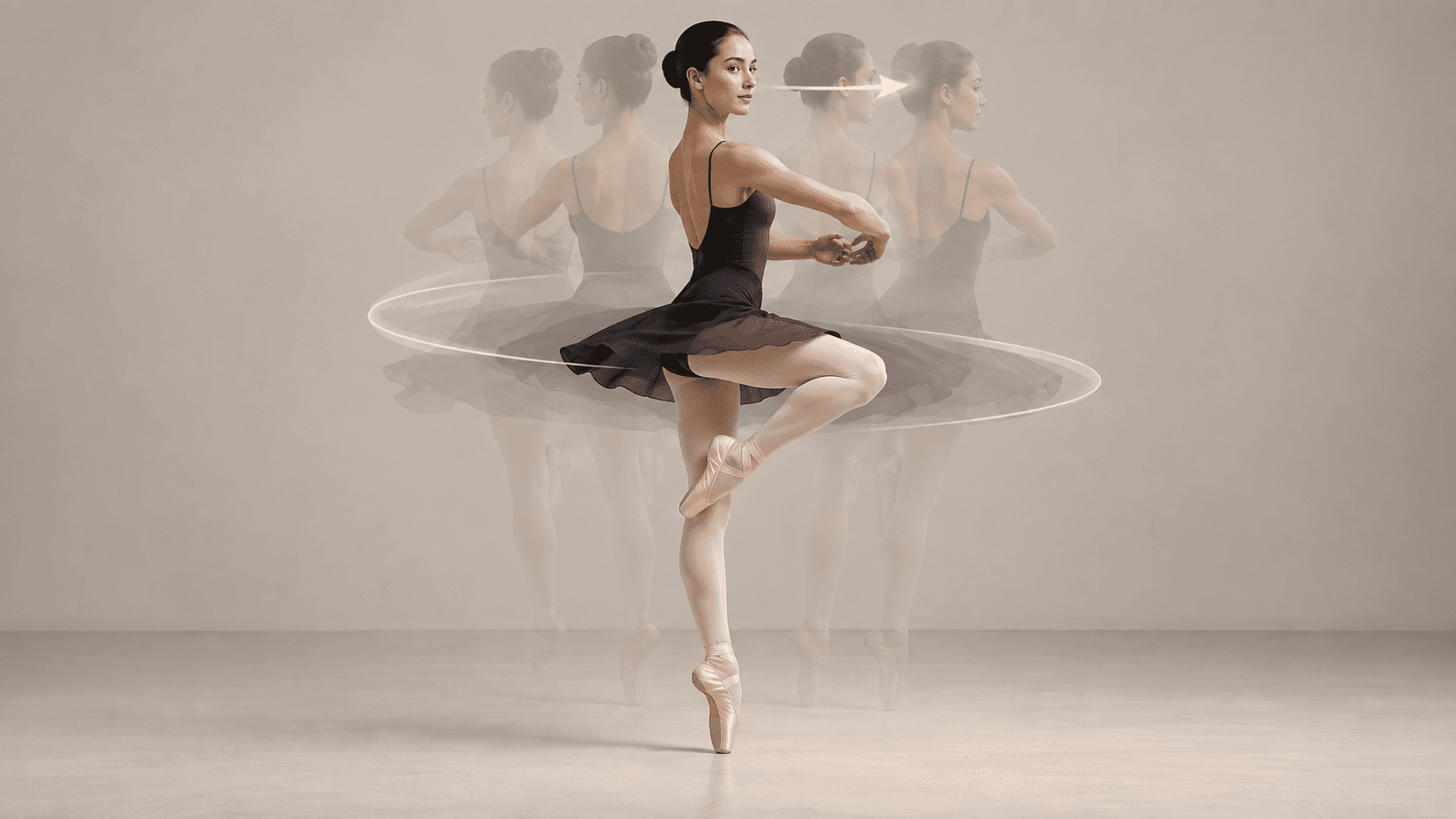
3. “Spotting” is a technique used in many turns. In ballet, jazz, and some other styles, dancers may keep their eyes focused on a reference point for as long as possible before quickly turning the head. The technique helps them maintain orientation during repeated turns.
4. Stage directions are based on the performer's perspective. “Stage left” and “stage right” refer to the dancer or actor's left and right while facing the audience, not the audience's perspective. Performers learn these conventions so they can respond quickly to choreography and staging instructions.
5. A dance career can include much more than performing. Dancers may also work as choreographers, teachers, rehearsal directors, coaches, movement specialists, or creative collaborators. Performing onstage is only one part of the wider dance profession.
Technology has changed how people discover, teach, perform, and share dance. Social media did not invent dance trends, but it dramatically increased the speed at which choreography can move between communities and countries.
1. Dance trends existed long before social media. Ballroom crazes, popular stage dances, television performances, and music videos all helped movements spread before TikTok or Instagram existed. Short-form video platforms accelerated a process that was already part of dance culture.
2. Short, repeatable movement phrases are especially suited to online sharing. Many viral routines use a recognizable section of music and a compact sequence that viewers can learn, reinterpret, and repost. Repeatability helps a dance travel while still allowing individual variations.
3. Viral choreography can become separated from its original creator. When thousands of users reproduce the same routine, audiences may recognize the dance without knowing who choreographed it. This has made creator credit and attribution an important discussion in online dance culture.
4. Film and music video have long influenced how audiences discover dance. Movies such as Saturday Night Fever, Flashdance, Step Up, and Black Swan, along with music videos and concert performances, have introduced large audiences to particular dancers, choreographers, and styles.
5. Digital platforms have expanded how dancers reach audiences. Performers and choreographers can use online platforms to teach classes, promote workshops, share original choreography, collaborate across countries, and attract professional opportunities without relying solely on traditional performance venues.
Final Thoughts on These Facts About Dance
From ancient visual records and court ballet to folk traditions, stage performance, dance classes, and viral video, dance keeps changing while remaining deeply connected to human expression. Understanding where a movement comes from—and what it means to the people who practice it—makes the subject far more interesting than a simple list of steps.

Discover more about the world of dance: