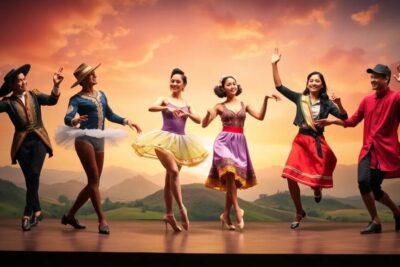
The Fascinating History of Ballet Shoes

From royal courts to global stages, the history of ballet shoes is as graceful and transformative as the art form itself. Originally performed in heeled shoes during the Renaissance, ballet has continually reshaped its footwear to reflect evolving aesthetics, functionality, and cultural values. From Marie Taglioni’s ethereal rise en pointe in La Sylphide to the cutting-edge innovations of today’s shoemakers, ballet shoes tell a story of artistry, discipline, and adaptation.
This exploration traces ballet shoes from their earliest incarnations in 15th-century Italy and France to the pointe shoes worn by modern dancers. You’ll learn how social movements, fashion trends, and technological advancements have shaped their design, and discover the differences between ballet slippers and pointe shoes. We’ll also look at the role of iconic shoemakers, materials, and construction, and how ballet footwear continues to influence pop culture and fashion beyond the stage.
Table of Contents:
- Early Origins of Ballet Footwear
- The Shift to Slippers: 18th to 19th Century
- Birth of the Pointe Shoe (Early 1800s)
- Evolution of Materials and Construction
- Iconic Shoemakers and Innovators
- Cultural and Artistic Influences on Ballet Shoe Design
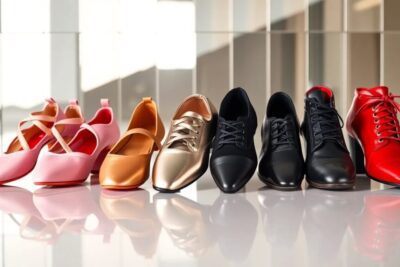
- Differences Between Ballet Slippers and Pointe Shoes
- The Modern Era: Technology Meets Tradition
- Ballet Shoes as Symbols in Pop Culture and Fashion
Early Origins of Ballet Footwear
Ballet’s story begins in the courts of Renaissance Italy and later flourished in France during the 15th to 17th centuries. Far from the delicate pointe shoes we recognize today, early ballet dancers performed in heeled shoes similar to those worn for formal court events. These shoes were not designed for agility or athleticism but instead emphasized grace and presentation—mirroring the aristocratic ideals of the time.
A pivotal figure in shaping ballet’s evolution was King Louis XIV of France, a passionate dancer who often took the stage himself. In 1661, he founded the Académie Royale de Danse, helping codify ballet as a formal discipline. His performances in elaborate heeled shoes helped establish ballet as both a noble art and a symbol of cultural sophistication. These early ballet shoes, with their rigid structure and decorative flair, played a crucial role in the visual storytelling of court ballets, though they severely limited movement.
It wasn’t until ballet began shifting from courtly display to a more expressive and technical art form that the footwear evolved to meet new demands. But in these early centuries, the foundation was set—both for the dance itself and the shoes that would eventually become an essential tool of the art.
The Shift to Slippers: 18th to 19th Century
The 18th century marked a turning point in ballet footwear with the bold decision to abandon heels in favor of flat, flexible slippers. One of the pioneers of this transformation was Marie Camargo, a celebrated dancer of the Paris Opera Ballet. She shocked audiences not only by shortening her skirts to show her intricate footwork, but also by wearing soft slippers that allowed for greater agility and precision—ushering in a new era of functional footwear.
This shift wasn’t purely aesthetic; it was a practical response to the increasing physical demands of ballet. As choreography grew more complex, dancers needed shoes that supported jumps, quick footwork, and expressive movements. Soft shoes, made from supple leather or fabric, provided the freedom of movement and control that heels could never offer.
By the early 19th century, the Romantic ballet movement emphasized otherworldly, dreamlike performances. Ballets like La Sylphide introduced characters such as sylphs and spirits, requiring dancers to appear weightless and ethereal. The slipper was essential in achieving this illusion, helping dancers glide effortlessly across the stage. This period laid the groundwork for the invention of the pointe shoe, which would take ballet to even greater expressive heights.
Birth of the Pointe Shoe (Early 1800s)
The birth of the pointe shoe can be traced to a groundbreaking moment in ballet history: Marie Taglioni’s 1832 performance in La Sylphide. Dancing the role of a woodland spirit, Taglioni appeared to float across the stage—gracefully rising onto the tips of her toes. This marked the first full-length performance en pointe, captivating audiences and forever changing the visual language of ballet.
Early pointe shoes, however, were far from the reinforced versions we know today. They were essentially modified satin slippers, offering little to no structural support. Dancers relied solely on the strength of their feet and ankles to achieve the illusion of weightlessness. These shoes prioritized aesthetic over functionality, emphasizing the ethereal image over comfort or safety.
As pointe work became a standard in ballet technique, shoemakers began to adapt. Over time, stronger designs emerged—featuring a reinforced toe box, a stiffer shank, and a more durable platform. These innovations allowed dancers not only to stay en pointe longer, but to perform more complex choreography with control and precision. The evolution of the pointe shoe paralleled ballet’s shift toward technical mastery and the pursuit of perfection on stage.
Evolution of Materials and Construction
As ballet technique advanced, so did the materials and construction of pointe shoes, evolving to support greater demands on dancers' feet. Early pointe shoes were made with satin, paper, and fabric, offering little reinforcement. To enhance durability and structure, shoemakers began using paste-reinforced toe boxes, providing dancers with more stability and protection during performances.
Different upper materials have also shaped the feel and performance of ballet shoes. Canvas offers breathability and quick break-in time, making it a favorite for practice. Leather is more durable and provides stronger support, while satin remains the classic choice for stage due to its sleek, elegant appearance.
Each pointe shoe is defined by three core components: the shank (providing arch support), the box (encasing and protecting the toes), and the platform (the flat tip that dancers balance on). These elements must work in harmony to deliver strength, flexibility, and grace with every movement.
Despite modern advancements, many professional pointe shoes are still handmade, customized to each dancer’s unique foot shape and technique. However, mass-produced shoes have made ballet more accessible to students and recreational dancers around the world. This balance between craftsmanship and innovation continues to define the pointe shoe industry today.
Iconic Shoemakers and Innovators
The evolution of ballet footwear has been shaped not only by dancers, but by the visionary shoemakers who responded to their needs. Among the most iconic brands in ballet history are Freed of London, Capezio, Bloch, and Gaynor Minden—each contributing groundbreaking innovations that changed how pointe shoes are made and worn.
Freed of London, founded in 1929, became synonymous with handcrafted shoes tailored to the individual dancer. Their meticulous craftsmanship set the standard for professional companies worldwide. Capezio, dating back to 1887 in New York City, was instrumental in popularizing dance footwear in the U.S. and remains a staple in studios and stages.
Bloch, established in Australia in the 1930s, gained fame for designing durable shoes that could withstand the rigors of touring companies, while Gaynor Minden, a modern innovator, revolutionized pointe shoes by introducing shock-absorbing materials and a long-lasting, non-traditional construction—offering dancers comfort without sacrificing performance.
These brands have also played a key role in creating custom-made shoes for famous dancers like Margot Fonteyn, Natalia Osipova, and Misty Copeland. Each pair reflects not just technical specifications, but the personality and style of the artist wearing them.
Through constant innovation, these shoemakers have helped dancers reach new heights—both literally and artistically—while preserving the soul of classical ballet.
Cultural and Artistic Influences on Ballet Shoe Design
Ballet shoe design has never evolved in isolation—it has been shaped by powerful cultural and artistic movements across the globe. Nowhere is this more evident than in the influence of Russian ballet, particularly the Imperial Ballet in St. Petersburg and later the Ballets Russes under Sergei Diaghilev. These institutions elevated ballet to a form of national pride and high art, emphasizing technique, discipline, and dramatic storytelling—qualities that demanded more refined and supportive shoes for dancers to match increasingly athletic and expressive choreography.
During the Soviet era, pointe shoes took on a minimalist, utilitarian aesthetic. Shoemakers like Grishko and Russian Class adapted their designs to prioritize durability and efficiency, reflecting the state-supported ballet academies’ emphasis on uniformity and function. The satin was often duller, the shapes standardized, and embellishments rare—contrasting sharply with the ornate Western styles that favored individualized construction and glamorous finishes.
Meanwhile, the rise of modern dance and contemporary ballet in the 20th and 21st centuries introduced an entirely new relationship with footwear. Dancers began performing barefoot or in soft slippers, and later incorporated hybrid shoes that allowed greater floor connection and articulation. These styles inspired the creation of split-sole slippers, stretch canvas materials, and minimalist designs that blend form with freedom.
Today, ballet shoe design is a global fusion—honoring classical traditions while embracing innovation shaped by culture, art, and the changing demands of performance.
Differences Between Ballet Slippers and Pointe Shoes
While both ballet slippers and pointe shoes are essential tools in a dancer’s training and performance, they serve very different technical purposes. Ballet slippers are typically worn by beginners and during exercises that focus on alignment, balance, and foundational technique. They allow the foot to articulate naturally and help dancers develop the strength and control needed before progressing to pointe work.
In terms of design and structure, ballet slippers are lightweight and flexible. Made from canvas, leather, or satin, they feature a thin sole—either full or split—that hugs the arch of the foot. Their primary function is to offer minimal resistance, allowing for precision in footwork and clean lines. In contrast, pointe shoes are engineered to support a dancer’s full body weight on the tips of their toes. These shoes have a hardened toe box (made from layers of fabric and paste), a rigid shank for arch support, and a flat platform at the front to enable balance en pointe.
Usage also varies significantly: slippers are worn during most technique classes and rehearsals, while pointe shoes are reserved for more advanced dancers and are introduced gradually under the supervision of instructors. Dancers typically transition to pointe shoes only after years of training, once they’ve developed adequate strength in the feet, ankles, and core. This progression is critical to prevent injuries and ensure the dancer’s safety.
Ultimately, while ballet slippers build the foundation, pointe shoes represent a milestone—a rite of passage that marks a dancer’s readiness to elevate their art, quite literally, to the next level.
The Modern Era: Technology Meets Tradition
As ballet enters the 21st century, its most iconic footwear is undergoing a quiet revolution. Modern technology has started to reshape pointe and ballet shoe design, blending innovation with the demands of tradition-bound art. From 3D-printed pointe shoes to materials engineered for shock absorption and durability, today's shoemakers are responding to the evolving needs of dancers who face intense physical demands on a daily basis.
Many ballet companies now prioritize sustainability and ethical sourcing when selecting their shoes. Some brands offer vegan-friendly options, biodegradable packaging, or shoes made with recycled fabrics. At the same time, dancers and companies are seeking greater consistency and comfort—factors not always prioritized in the handmade, highly variable world of traditional pointe shoes. Brands like Gaynor Minden and emerging startups are using modern polymers and gel-based cushioning to reduce fatigue and prevent injury, especially in long rehearsals or touring seasons.
Yet these advancements have sparked a healthy debate within the dance community. Purists argue that newer materials lack the subtle responsiveness of traditional handmade shoes, which mold uniquely to each dancer’s foot. Others believe that innovation is essential for the art form’s survival and for protecting the health of its performers. As the industry continues to evolve, ballet remains a powerful example of how technology and tradition can coexist, shaping the future of performance without losing sight of its roots.
Ballet Shoes as Symbols in Pop Culture and Fashion
Beyond the stage, ballet shoes have transcended their original function to become powerful cultural symbols and fashion statements. In recent years, the rise of the "balletcore" aesthetic—a trend that romanticizes ballet’s delicate, minimalist style—has brought satin slippers, wrap sweaters, and tulle skirts into everyday fashion. Social media platforms like TikTok and Instagram have played a major role in popularizing this trend, where ballet slippers are worn with leg warmers, oversized knits, or sleek casualwear, blurring the lines between practice wear and street style.
High fashion has also embraced ballet footwear. Designers from Chanel to Miu Miu have sent models down the runway in reinterpretations of ballet flats and pointe-inspired heels. These runway moments celebrate the shoe not just for its beauty, but for what it represents: grace, discipline, and artistic devotion. Ballet slippers, once reserved for studios and stages, now carry symbolic weight in visual culture—often associated with both hyper-femininity and strength.
Moreover, ballet shoes have become emblems in art, film, and photography. From the iconic red shoes in the 1948 film The Red Shoes, to the gritty elegance of Black Swan (2010), the ballet slipper is often used to explore themes of sacrifice, obsession, and transformation. Whether viewed as a fashion accessory or a metaphor for perseverance, ballet shoes continue to inspire across mediums, evolving from tools of performance into timeless cultural icons.
Discover more about the world of dance: