
Facts About Dance: Fun, Historical, Cultural, and Surprising Dance Facts
Dance is one of the oldest and most universal forms of human expression. Long before people used written language to record stories, they used movement, rhythm, gestures, and music to communicate emotions, celebrate important moments, honor traditions, and bring communities together.
These facts about dance show that dancing is much more than entertainment. Dance is connected to history, culture, health, storytelling, social life, and even modern digital trends. From ancient rituals and royal ballet courts to TikTok challenges and dance therapy, dance has always adapted to the world around it.
Whether you are looking for fun facts about dance, historical dance facts, information about dancing, or interesting facts about dancers, this guide brings together some of the most fascinating things to know about the art of movement.
Table of Contents:
- Quick Dance Facts You Should Know
- Fun Facts About Dance
- Historical Facts About Dance
- Interesting Facts About Dance and the Human Body
- Cultural Dance Facts From Around the World
- Facts About Dancers
- Modern Facts About Dancing in Social Media and Pop Culture
- Why Dance Is More Than Entertainment
- Frequently Asked Questions About Dance
- Final Thoughts on These Facts About Dance
Quick Dance Facts You Should Know
Before exploring the history, culture, science, and modern influence of dancing, here are some quick dance facts that explain why this art form has remained important for thousands of years.
- Dance is one of the oldest forms of human expression. Ancient people used movement in rituals, celebrations, storytelling, and spiritual ceremonies.
- Dance exists in nearly every culture. Although styles vary, the human instinct to move with rhythm appears around the world.
- Dancing can communicate without words. Through gestures, posture, timing, and emotion, dancers can express joy, grief, love, power, or resistance.
- Dance is both art and physical skill. Dancers use strength, balance, flexibility, memory, rhythm, and emotional control at the same time.
- Dancing can support physical and mental health. It may improve coordination, confidence, mood, posture, endurance, and body awareness.
These basic facts about dancing help explain why dance continues to be used in schools, theaters, celebrations, fitness classes, therapy sessions, religious ceremonies, and online platforms.
Fun Facts About Dance
One of the best things about dance is that it can be serious, emotional, powerful, and fun at the same time. These fun facts about dance show how movement can entertain, surprise, and connect people across generations.
1. Dance can happen almost anywhere. A stage is not required. People dance at weddings, festivals, schools, parties, religious events, sports celebrations, concerts, clubs, and even alone at home. This is one reason dance feels so natural and accessible.
2. Many famous dances began as social trends. Dances such as the twist, the moonwalk, the macarena, the floss, and many TikTok routines became popular because people copied, shared, and adapted them. Dance spreads quickly when it is easy to remember and fun to repeat.
3. Some dances were once considered rebellious. Waltz, tango, jazz, rock and roll, hip-hop, and other styles were criticized when they first became popular. Over time, many of them became respected forms of entertainment, culture, or art.
4. Dancing does not always need music. Some contemporary dancers perform in silence, using breath, footsteps, body percussion, or emotional timing instead of a traditional song. This proves that dance is not only about following a beat; it is also about creating meaning through the body.
5. Dance can make people feel connected. Group dances, flash mobs, folk dances, and viral challenges work because people enjoy moving together. Even simple movements can create a feeling of unity.
These dance fun facts show that dancing is not only a performance skill. It is also a social activity, a cultural trend, and a joyful way for people to express themselves.
Historical Facts About Dance
The history of dance is full of surprising changes. These dance history facts show how dancing moved from sacred rituals to royal courts, theaters, streets, clubs, movies, and digital platforms.
1. Dance has ancient roots. Some of the earliest evidence of dance appears in ancient art and ritual scenes. Long before modern theaters existed, people used movement to celebrate harvests, prepare for battle, honor spiritual beliefs, and mark important life events.
2. Early dances were often connected to survival and belief. In many ancient societies, dance was not simply entertainment. It could be used to ask for rain, celebrate fertility, prepare hunters, honor ancestors, or bring a community together.
3. Ballet began in royal courts. Although ballet is now associated with professional theaters and dance companies, its roots are connected to European court life. Ballet developed in Renaissance Italy and later became highly influential in France, especially through royal patronage.
4. Some dances were banned or restricted. Throughout history, certain communities or authorities viewed dancing as immoral, dangerous, or disruptive. Yet dance usually returned in new forms, showing how powerful the human desire for movement and expression can be.
5. Many modern dance styles came from cultural exchange. Jazz, tap, salsa, tango, hip-hop, flamenco, and contemporary dance all carry influences from specific communities, migrations, struggles, and creative traditions.
These facts on dance show that every style has a story. Behind each rhythm, step, and gesture, there is often a long history of culture, identity, and change.
Interesting Facts About Dance and the Human Body
Some of the most interesting facts about dance are connected to the human body and brain. Dancing may look effortless, but it requires complex physical and mental coordination.
1. Dance trains the brain and body at the same time. When a person dances, the brain must coordinate rhythm, balance, memory, emotion, and spatial awareness. This makes dancing a powerful activity for both mental and physical engagement.
2. Learning choreography improves memory. Dancers often memorize long sequences of movements, formations, counts, transitions, and emotional cues. Remembering all of this while performing requires concentration and discipline.
3. Dancing improves coordination. Many dance styles require the arms, legs, head, shoulders, hips, and torso to move in different ways at the same time. This helps dancers develop strong body awareness and control.
4. Dance can improve mood. Movement, music, creativity, and social connection can help people release stress and feel more confident. Many people dance not because they want to perform, but because dancing helps them feel better.
5. Dance can be a serious workout. Depending on the style and intensity, dancing can build endurance, flexibility, strength, balance, posture, and cardiovascular fitness. Hip-hop, salsa, ballet, jazz, tap, contemporary, and Afrobeat-inspired classes can all challenge the body in different ways.
This information about dancing shows why dance is used not only in performance, but also in fitness, education, wellness, and therapy.
Cultural Dance Facts From Around the World
Dance is deeply connected to culture. Around the world, different communities use movement to tell stories, preserve traditions, celebrate identity, and pass knowledge from one generation to another.
1. Hawaiian hula is a form of storytelling. Hula is more than graceful movement. It uses gestures, rhythm, and expression to communicate stories, emotions, history, and connections to land and ancestry.
2. West African dance connects rhythm and community. Many West African dance traditions are closely connected to drumming, ceremonies, celebrations, and social life. These traditions have influenced several modern styles, including jazz, hip-hop, and contemporary fusion.
3. Flamenco combines dance, music, and emotion. Originating in southern Spain, flamenco includes dance, singing, guitar, rhythm, posture, and expressive movement. The dancer’s footwork often acts like percussion, while the arms and facial expressions communicate intensity.
4. Indigenous dances often carry sacred meaning. In many Indigenous communities, dances are connected to healing, spirituality, memory, land, resistance, or cultural identity. These dances should be understood with respect because they are often more than performances.
5. Folk dances preserve community identity. Traditional dances from different regions often reflect local history, clothing, music, celebrations, and values. Through dance, communities can keep cultural memory alive.
One of the most important facts of dance is that movement can become a living archive. It can preserve stories, beliefs, and identities even when written records are limited or lost.
Facts About Dancers
There are many fascinating facts about dancers that people often overlook. Dancers are not only artists. They are also athletes, storytellers, collaborators, and interpreters of music and emotion.
1. Dancers train with discipline. Professional dancers often spend years developing strength, flexibility, rhythm, balance, and control. Even short performances can require intense preparation.
2. Dancers need strong memory skills. Choreography may include hundreds of steps, counts, gestures, transitions, and formations. Dancers must remember these details while also performing with expression.
3. Dancers communicate without speaking. On stage, dancers use eye contact, timing, spacing, posture, and movement quality to interact with other performers and guide the audience’s attention.
4. Dancers must adapt to different spaces. They may perform in theaters, studios, classrooms, music videos, competitions, festivals, outdoor spaces, or online platforms. Each setting requires a different type of awareness.
5. Dancers combine athleticism and artistry. A dancer must be physically prepared, but technique alone is not enough. Great dancers also interpret emotion, music, character, and meaning.
These fun facts about dancers show that dance requires much more than natural talent. It takes training, creativity, discipline, expression, and dedication.
Modern technology has changed how people create, learn, and share dance. Today, some of the most popular facts about dancing are connected to social media, movies, television, and viral trends.
1. Social media has become a global dance stage. Platforms such as TikTok, Instagram Reels, and YouTube Shorts allow dancers to share choreography with millions of people. A short routine can become popular around the world in just a few days.
2. Dance challenges spread because they are easy to copy. Many viral dances use simple movements, repeated patterns, and catchy music. People enjoy joining these trends because they feel part of a larger online community.
3. Movies have shaped dance culture. Films such as Saturday Night Fever, Flashdance, Step Up, and Black Swan helped bring different dance styles into popular culture and inspired many people to take dance classes.
4. Television competitions made dancers more visible. Dance shows helped audiences understand choreography, technique, performance pressure, and the personalities behind the movement.
5. Dancers can now build careers online. Choreographers and performers no longer depend only on traditional stages. Many dancers use digital platforms to teach, perform, collaborate, and build international audiences.
This modern info about dance shows that dancing is no longer limited to studios or theaters. It now lives on screens, in communities, and across global digital platforms.
Why Dance Is More Than Entertainment
A key fact about dance is that it is not limited to performance. Dance can educate, heal, protest, celebrate, and connect people.
In schools, dance can help students understand rhythm, culture, history, creativity, and physical expression. It can also encourage confidence, teamwork, and body awareness.
In communities, dance brings people together during celebrations, festivals, ceremonies, and social gatherings. A group dance can create a sense of belonging even among people who do not know each other well.
In therapy, movement can help people express emotions that may be difficult to explain with words. Dance and movement-based practices may support emotional release, self-awareness, and personal healing.
Dance can also be a form of resistance. Throughout history, communities have used dance to preserve identity, challenge oppression, and tell stories that might otherwise be ignored.
At a personal level, dancing allows people to feel present in their bodies. It can be joyful, emotional, freeing, disciplined, spiritual, or playful. That is why dance continues to matter across ages, cultures, and generations.
Frequently Asked Questions About Dance
What are some facts about dance?
Some important facts about dance are that it is one of the oldest forms of human expression, it exists in nearly every culture, it can support physical and mental well-being, and it is used for storytelling, celebration, ritual, performance, fitness, and social connection.
What are fun facts about dancing?
Some fun facts about dancing are that many famous dance trends started as social movements, some dances were once considered rebellious, and viral dance challenges can now reach millions of people around the world through social media.
Why is dance important?
Dance is important because it helps people express emotions, preserve culture, connect with others, and communicate without words. It is also a physical activity that can support coordination, confidence, creativity, and well-being.
What is interesting about dancers?
Dancers combine athletic ability with artistic expression. They need strength, memory, rhythm, flexibility, control, and emotional interpretation. Many dancers train for years to make difficult movements look natural and effortless.
Is dancing good for your health?
Yes, dancing can be good for your health. It can improve coordination, balance, endurance, posture, flexibility, mood, and confidence. The benefits depend on the dance style, intensity, frequency, and the person’s physical condition.
What is the difference between dance and dancing?
“Dance” can refer to the art form, a style, a performance, or a cultural practice. “Dancing” usually refers to the action of moving the body rhythmically, often to music. Both terms are closely related and are often used together in searches such as “facts about dance” and “facts about dancing.”
Final Thoughts on These Facts About Dance
These facts about dance show that dancing is much more than movement. It is history, culture, emotion, discipline, creativity, health, and communication all at once.
From ancient rituals to royal ballet, from traditional cultural dances to viral social media challenges, dance has always changed with the world while remaining deeply human. People dance to celebrate, remember, heal, connect, perform, and express what words cannot always say.
That is why dance continues to fascinate people everywhere. Whether someone is searching for fun facts about dance, historical dance facts, information about dancing, or facts about dancers, the answer points to the same truth: dance is one of humanity’s most powerful and lasting forms of expression.

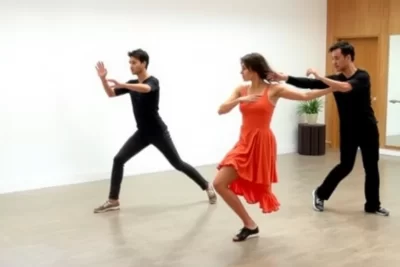
Discover more about the world of dance: