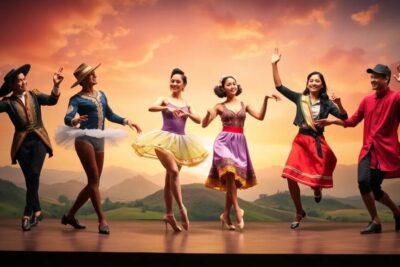
Mastering Dance Moves: Styles, Steps, and Self-Expression

Dance is a universal form of expression, transcending cultures and languages. At the heart of this art form lies the concept of dance moves, which serve as the fundamental building blocks of choreography. Understanding these moves is essential for anyone looking to explore the world of dance, whether as a hobby, a profession, or a means of self-expression.
In this article, we will delve into the intricacies of dance moves, examining their definitions, classifications, and significance in various dance styles. We will also explore how these moves influence the emotional and communicative aspects of dance, providing insight into their role in both social and performance contexts.
Table of Contents:
- Understanding Dance Moves
- Basic Dance Moves and Their Categories
- Popular Dance Moves Across Styles
- Dance Movement Therapy: The Healing Power of Dance
- Learning Dance Moves: Techniques and Resources
- The Role of Musicality in Dance Moves
- Dance Moves for Kids: Encouraging Early Expression
- Dance Moves in Popular Culture
Understanding Dance Moves
Dance moves, often referred to as dance steps, are defined sequences of movement that dancers execute to convey rhythm, emotion, and storytelling through their bodies. While some moves are simple and straightforward, others can be more complex and may involve intricate patterns and variations.
These movements can be categorized into two main types: concrete and abstract. Concrete moves are often associated with specific techniques and styles, while abstract moves focus on the emotional expression and interpretation of music. For example, a concrete move might be a pirouette in ballet, while an abstract move might involve fluid body waves in contemporary dance.
Basic Dance Moves and Their Categories
There are several fundamental dance moves that form the basis of many dance styles. Understanding these basic steps is crucial for beginners as they learn to build their skills and develop their unique style. Here are some essential categories:
- Ballroom Steps: In ballroom dancing, moves like the waltz, tango, and foxtrot have specific footwork and partner connection.
- Hip-Hop Moves: Styles such as breaking, locking, and popping focus on rhythm and body isolation.
- Ballet Positions: Ballet includes defined positions such as first, second, and fifth that serve as a foundation for more complex movements.
- Jazz Steps: Jazz incorporates styles like the Chassé and Kick Ball Change that emphasize syncopation and energy.
- Folk Dances: Traditional dances often involve community-oriented moves that reflect cultural heritage.
Popular Dance Moves Across Styles
Dance has seen a plethora of popular moves that have transcended individual styles. These moves often become cultural phenomena, influencing music videos, social media trends, and public events. Some examples include:
- The Moonwalk: Made famous by Michael Jackson, this move creates an illusion of moving backward while appearing to walk forward.
- The Electric Slide: A line dance that has become a staple at parties and weddings, characterized by its simple, repetitive steps.
- The Floss: A viral dance move involving swinging the hips and arms in opposite directions, popularized by social media.
- The Dougie: A hip-hop dance that incorporates smooth arm movements and body rolls, encouraging personal style and flair.
Dance Movement Therapy: The Healing Power of Dance
Beyond performance, dance moves also play a vital role in therapeutic settings. Dance Movement Therapy (DMT) utilizes movement to support emotional, cognitive, and physical integration. This approach emphasizes the connection between movement and emotion, allowing individuals to explore their feelings through expressive movement.
In DMT, therapists guide participants to engage in various dance moves that help release tension, improve body awareness, and enhance communication skills. The therapy can be especially beneficial for:
- Individuals with emotional disorders
- Those recovering from trauma
- People with physical disabilities
- Children with developmental challenges
Learning Dance Moves: Techniques and Resources
For those eager to learn dance moves, there are numerous resources available. From online tutorials to local dance studios, aspiring dancers can find classes that cater to their level of experience. Here are some effective methods to learn:
- Dance Classes: Enrolling in classes with professional instructors provides structured learning and feedback.
- Online Tutorials: Websites and platforms like YouTube offer a wealth of free tutorials for various dance styles.
- Dance Workshops: Attending workshops can expose dancers to new styles and techniques in a concentrated format.
- Practice Groups: Joining or forming practice groups encourages social interaction and motivation among peers.
The Role of Musicality in Dance Moves
While dance moves can be learned independently, their effectiveness is greatly enhanced by understanding musicality. This concept involves interpreting the rhythm, tempo, and emotional content of the music to create a more profound connection between the dancer and the performance. Key aspects of musicality include:
- Timing: Aligning movements with the beat of the music for a cohesive performance.
- Dynamics: Adjusting the intensity and energy of movements to reflect the music’s emotion.
- Interpretation: Using body language and expression to convey the story or mood of the piece.
Dance Moves for Kids: Encouraging Early Expression
Introducing children to dance moves can be a fun and enriching experience. Not only does it foster creativity and self-expression, but it also promotes physical activity and social skills. When teaching kids, it is important to focus on:
- Simple, repetitive movements that are easy to remember.
- Encouraging improvisation to help them find their unique style.
- Using playful music that engages their imagination and energy.
Dance Moves in Popular Culture
Dance moves have a significant presence in popular culture, often being featured in music videos, films, and social media platforms. This cultural relevance not only entertains but also influences new generations of dancers. Some notable examples include:
- Musicals: Productions like "Hamilton" and "West Side Story" showcase intricate choreography that has inspired viewers worldwide.
- Reality TV: Shows like "Dancing with the Stars" bring dance into the living rooms of millions, showcasing both traditional and contemporary styles.
- Viral Challenges: Social media platforms frequently host dance challenges that encourage users to create and share their versions of popular moves.
Understanding and mastering dance moves is a rewarding journey that can enhance both personal expression and social interaction. Whether for fun, fitness, or therapy, dance remains a vital form of communication and creativity across the globe. By exploring the various styles and techniques, dancers can find their unique voice within this captivating art form.


Discover more about the world of dance: