What Is Contemporary Dance? Meaning, Styles, and Techniques
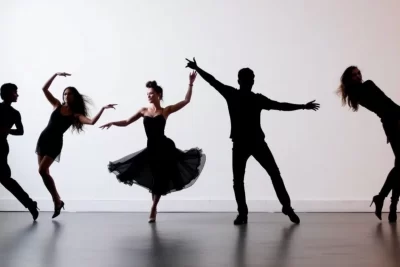
Contemporary dance is an expressive and evolving dance form that draws from modern dance, ballet, improvisation, floorwork, somatic practices, and other movement traditions. Rather than following one universal technique, contemporary dance gives choreographers and performers room to combine methods, explore movement quality, and respond to artistic ideas, music, space, and emotion.
This guide explains what contemporary dance is, how it developed, its main characteristics, techniques, movement approaches, and how it differs from modern dance, ballet, and jazz. It also examines common contemporary dance practices, influential choreographers, benefits, and what beginners can expect when starting a class.
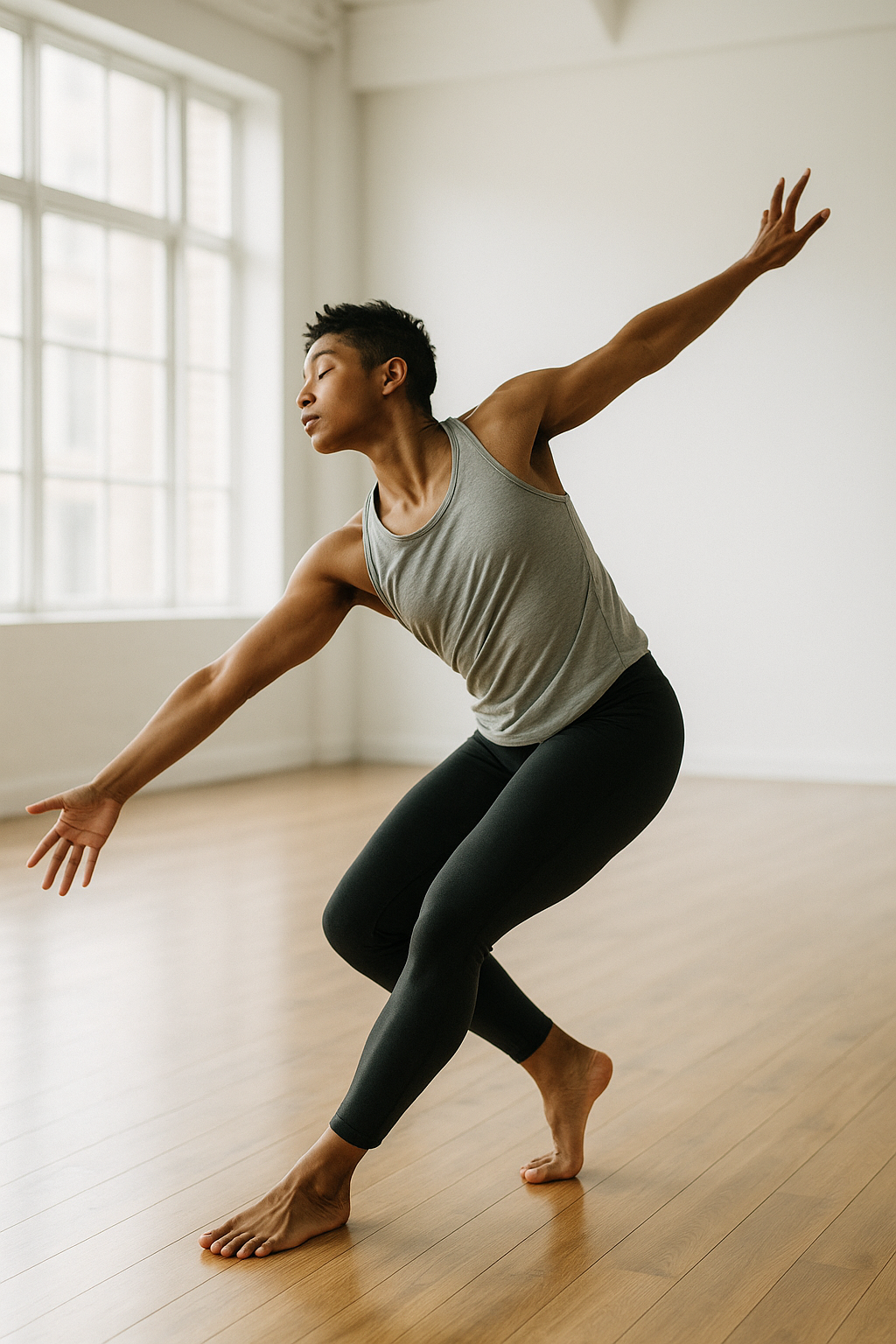
Table of Contents:
- What Is Contemporary Dance?
- Contemporary Dance Meaning and Definition
- History of Contemporary Dance
- Characteristics of Contemporary Dance
- Contemporary Dance Technique and Vocabulary
- Types of Contemporary Dance
- How Contemporary Dance Differs From Modern Dance, Ballet, and Jazz
- Choreographers Who Influenced Contemporary Dance
- How to Get Started With Contemporary Dance
- Benefits of Contemporary Dance
- Contemporary Dance Facts: Quick Reference
- Frequently Asked Questions
What Is Contemporary Dance?
Contemporary dance is a broad performance form that combines movement ideas from several traditions instead of relying on one fixed vocabulary. Depending on the choreographer or teacher, it may incorporate elements of modern dance, ballet, improvisation, release-based practices, floorwork, partnering, and somatic approaches.
What distinguishes contemporary dance is not the absence of technique, but its flexibility. Dancers may work with breath, weight, momentum, gravity, spatial awareness, balance, suspension, and different qualities of energy while adapting these tools to the needs of a particular work. Contemporary dance can be highly technical, minimal, theatrical, abstract, improvisational, or narrative.
Contemporary Dance Meaning and Definition
The contemporary dance meaning is difficult to reduce to one strict definition because the field continues to evolve. A useful contemporary dance definition is that it is an adaptable dance form in which artists combine techniques, movement principles, and choreographic ideas to create work that responds to contemporary artistic and cultural contexts.
To define contemporary dance accurately, it is helpful to separate flexibility from lack of structure. Contemporary dancers often train intensively, but their training may draw from more than one system. A class or performance can include codified exercises, improvisation, floorwork, partnering, or experimental tasks without requiring every practitioner to use the same method.
For this reason, the term contemporary dance style describes a broad and changing field rather than one standardized technique. The form is often recognized by its openness to multiple influences, its attention to movement quality, and the way choreographers use the body to communicate ideas, sensations, relationships, or emotion.
History of Contemporary Dance
The history of contemporary dance does not begin at one universally agreed date. Contemporary practice developed gradually from modern dance, mid-20th-century experimentation, postmodern dance, and later choreographic approaches that challenged fixed ideas about technique, performance, music, and theatrical presentation.
Martha Graham belongs primarily to the history of modern dance, but her contraction-and-release technique and emphasis on breath, torso, and expressive movement strongly influenced later generations. Merce Cunningham also became an important bridge toward contemporary practice by exploring chance procedures, new approaches to space, and a relationship between dance and music in which neither had to illustrate the other.
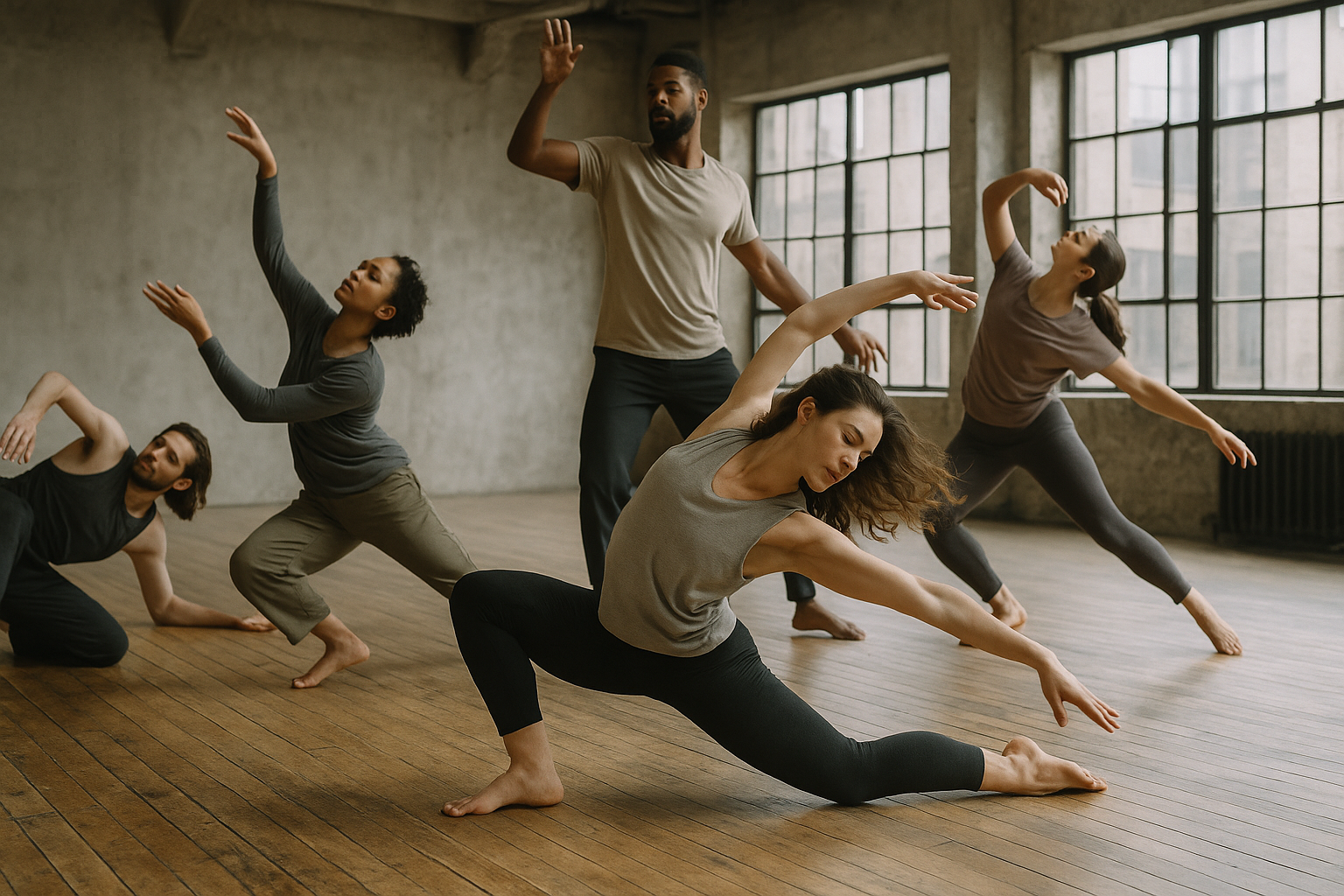
Postmodern artists further questioned traditional staging, virtuosity, narrative, and the idea that dance required a particular kind of body or theatrical setting. Over time, contemporary dance absorbed and exchanged ideas with jazz dance, hip-hop, martial arts, contact improvisation, yoga, somatic education, visual art, film, and digital media. This history helps explain why contemporary practice today can look very different from one company, choreographer, or country to another.
Characteristics of Contemporary Dance
The main characteristics of contemporary dance include adaptability, expressive range, experimentation, and the integration of techniques from different traditions. Because there is no single universal vocabulary, contemporary dance is usually identified by the way movement is approached rather than by a fixed list of steps.
Common contemporary dance characteristics include floorwork, changes of level, use of gravity, off-center balance, suspension, breath, weight transfer, improvisation, fluid transitions, and shifts between controlled and released movement. Not every work uses all of these elements, but they appear frequently across contemporary training and choreography.
Freedom of Movement and Expression
Contemporary dance gives performers considerable room to explore how movement can communicate an idea or sensation. Improvisation is often used as a creative tool, allowing dancers to respond to physical impulses, space, partners, music, or choreographic instructions rather than relying only on predetermined steps.
Fusion of Techniques
Another defining feature is its hybrid nature. A contemporary dance class may draw on ballet alignment, modern dance principles, release-based work, floorwork, improvisation, partnering, or movement ideas from other traditions. The balance between these influences depends on the teacher, choreographer, and artistic context.
Contemporary Dance Technique and Vocabulary
Although contemporary dance does not have one universal technical system, dancers still develop strength, coordination, body awareness, efficiency, spatial clarity, and movement versatility. Training can combine formal exercises with exploratory practices, and the technical demands vary significantly between schools and choreographers.
Techniques and Movement Approaches Used in Contemporary Dance
- Release-based approaches: Emphasize efficient movement, breath, gravity, alignment, momentum, and the reduction of unnecessary muscular tension. Release work is better understood as a family of approaches than as one universal contemporary dance technique.
- Floorwork: Includes movement on or close to the floor, such as rolls, spirals, slides, transitions, inversions, and weight shifts. It is a common part of contemporary dance vocabulary, although it is not exclusive to contemporary practice.
- Contact Improvisation: A movement practice developed in the early 1970s that explores shared weight, touch, momentum, balance, and spontaneous physical dialogue between dancers. It has strongly influenced contemporary dance training and partnering.
- Improvisation: Used to generate movement, develop body awareness, explore choreographic ideas, or respond spontaneously to physical and artistic tasks.
- Laban Movement Analysis: A framework for observing, describing, and understanding movement through concepts related to Body, Effort, Shape, and Space. It is not a contemporary dance technique itself, but it can be used by dancers, teachers, and choreographers to analyze movement.
These methods and tools contribute to the varied technical landscape of contemporary dance. A dancer may encounter some of them in one class and a very different combination in another.
Movement Qualities
Contemporary dance often explores movement through qualities such as weight, time, space, flow, tension, release, and dynamics. Some of this vocabulary overlaps with concepts used in Laban-based movement analysis, while other teachers use the terms more generally to describe how movement is performed.
- Weight: The dancer's relationship with gravity, ranging from strong and grounded to light and lifted.
- Space: Direction, pathway, level, focus, and the dancer's relationship to the surrounding environment.
- Time: Speed, duration, rhythm, acceleration, deceleration, and stillness.
- Flow: The continuity or control of movement, which can feel free, sustained, contained, interrupted, or sharply redirected.
- Tension and release: Changes between muscular engagement, resistance, suspension, relaxation, and expansion.
Working with these qualities allows contemporary dancers to change not only what they do, but how a movement feels and is perceived.
Types of Contemporary Dance
There is no universally accepted list of types of contemporary dance. Contemporary dance is an umbrella field, and many labels used within it refer to techniques, movement languages, choreographic approaches, or related practices rather than separate dance genres. Still, several approaches are commonly encountered in contemporary training and performance:
- Release-based contemporary work
Uses principles such as breath, gravity, alignment, momentum, and efficient weight transfer. Different teachers may apply these ideas in different ways. - Contact improvisation-influenced work
Draws on shared weight, touch, momentum, balance, and spontaneous partnering. Contact improvisation is a distinct practice, but its principles have influenced many contemporary dance classes and choreographers. - Contemporary ballet
Combines a strong ballet foundation with contemporary movement choices, including altered lines, floorwork, off-balance positions, different uses of the torso, and less conventional choreographic structures. - Dance theater and Tanztheater influences
Bring together movement, gesture, theatrical action, voice, character, or dramatic situations. Tanztheater has its own historical lineage, but its influence can be seen in many contemporary performance works. To explore broader types of dance and how they are classified, visit our complete guide. - Gaga-influenced contemporary practice
Gaga is the movement language developed by choreographer Ohad Naharin. It emphasizes sensory awareness, physical availability, imagination, and inner listening and has influenced contemporary dancers and choreographers internationally.
These examples are best understood as different approaches within or alongside contemporary dance rather than a fixed taxonomy. The form continues to change as choreographers combine methods and respond to new cultural, artistic, and technological contexts.
How Contemporary Dance Differs From Modern Dance, Ballet, and Jazz
Contemporary vs Modern Dance
Modern and contemporary dance are closely related but are not interchangeable terms. Modern dance developed earlier through artists who challenged many conventions of classical ballet and created influential techniques and choreographic philosophies. Graham, Horton, Limón, and Cunningham are associated with important strands of modern dance history.
Contemporary dance developed later from this history and from postmodern and experimental practices. It is generally more eclectic in the sense that a contemporary choreographer may draw simultaneously from modern dance, ballet, improvisation, somatic practices, street forms, theater, or other sources. The distinction is not absolute, and terminology can vary between institutions, countries, and teachers.
Contemporary vs Ballet or Jazz
Ballet is built around a highly codified technical vocabulary, while contemporary dance does not rely on one universal system. Contemporary choreography may nevertheless require ballet-level precision, coordination, strength, and control, and many contemporary dancers train in ballet.
Jazz dance also has multiple traditions and techniques, so it should not be defined only by showmanship or musicality. In general, jazz training often emphasizes rhythm, isolations, coordination, stylistic clarity, and dynamic phrasing, whereas contemporary work may place greater emphasis on weight, floorwork, improvisation, suspension, and changing movement qualities. In practice, the two fields frequently influence one another.
Choreographers Who Influenced Contemporary Dance
Contemporary dance developed through several generations rather than through one founder. Some artists established important foundations in modern and experimental dance, while later choreographers expanded the possibilities of contemporary performance.
Historical Foundations
- Martha Graham – A major modern dance pioneer whose contraction-and-release technique and expressive use of breath and torso influenced generations of dancers and choreographers.
- Merce Cunningham – Expanded choreographic possibilities through chance procedures, non-narrative structures, experimentation with space, and a more independent relationship between movement and music.
- Pina Bausch – Developed an influential form of Tanztheater in which dance, gesture, theatrical action, speech, and emotionally charged situations could coexist.
Contemporary Choreographic Voices
- Ohad Naharin – Developed Gaga, a movement language centered on sensation, imagination, availability, and physical exploration.
- Crystal Pite – Known for choreographic work that often combines highly detailed ensemble movement, theatrical elements, narrative ideas, and emotional intensity.
- Akram Khan – Creates work informed by both contemporary dance and his background in Kathak, often exploring identity, memory, storytelling, and cultural exchange.
- Kyle Abraham – Brings together contemporary, classical, social, and hip-hop influences while exploring themes including identity, community, memory, and personal experience.
Together, these artists illustrate how contemporary dance has grown from modern dance foundations into a broad international field shaped by multiple techniques, cultures, and choreographic perspectives.
How to Get Started With Contemporary Dance
Contemporary dance can be studied by beginners as well as experienced dancers. Because classes vary greatly, the best starting point is to find a beginner-level course with an instructor who clearly explains technique, alignment, floorwork, movement quality, and safe progression.
Finding Classes Near You
Look for contemporary dance classes at local dance studios, community arts programs, conservatories, or university dance departments. Check whether the class is labeled beginner, open level, intermediate, or advanced, and read the description carefully because “Contemporary” and “Modern” classes may emphasize different techniques and teaching methods.
If in-person instruction is limited, online classes can help introduce terminology, conditioning, coordination, and basic movement concepts. Beginners should progress gradually, especially with floorwork, inversions, jumps, or weight-bearing movements that require strength and control.
What to Expect in a Class
A contemporary dance class may include a warm-up, technical exercises, floorwork, balance and coordination tasks, traveling phrases, improvisation, and set choreography. Some teachers emphasize release principles or somatic awareness, while others use stronger ballet, modern, or athletic influences.
Recommended Age and Experience Levels
There is no single age at which everyone must begin contemporary dance. Children, teenagers, and adults can all find age-appropriate classes. Beginners often start with fundamentals such as posture, breath, weight shifts, coordination, basic floor patterns, and movement phrases before progressing to more demanding partnering, jumps, turns, or choreography.
Benefits of Contemporary Dance
Regular contemporary dance training can support physical abilities such as coordination, mobility, balance, strength, flexibility, spatial awareness, and movement control. The exact benefits depend on the intensity of the class, the dancer's starting level, and how consistently they train.
The form can also provide opportunities for creativity, concentration, musical or spatial awareness, collaboration, and personal expression. Improvisation and choreographic tasks encourage dancers to make movement choices rather than only reproduce predetermined steps, which can broaden their artistic confidence and movement vocabulary.
Contemporary Dance Facts: Quick Reference
- Development: Contemporary dance emerged gradually from modern dance, postmodern experimentation, and later choreographic practices rather than from one single founding moment.
- Main Influences: Modern dance, ballet, improvisation, release-based practices, somatic approaches, contact improvisation, jazz, and other movement traditions.
- Defining Feature: No single universal technical vocabulary; methods and movement choices vary between teachers, choreographers, companies, and cultural contexts.
- Typical Settings: Theaters, studios, festivals, galleries, film, site-specific locations, and digital media.
- Common Practices: Floorwork, improvisation, partnering, movement analysis, release-based work, weight transfer, and exploration of movement quality.
- Career Paths: Performer, choreographer, teacher, rehearsal director, movement coach, and interdisciplinary artist.
- Evolution: Contemporary dance continues to change through cultural exchange, interdisciplinary collaboration, new technologies, and evolving approaches to performance.
More articles about Dance Types
Explore more guides and related content about Dance Types.
Frequently Asked Questions
What should I wear to a contemporary dance class?
Wear comfortable clothing that allows a full range of motion and does not restrict bending, stretching, or floorwork. Many contemporary dance classes are taught barefoot, although some instructors may allow socks or specific footwear. Check the studio's requirements before your first class.
Is contemporary dance suitable for beginners?
Yes. Beginner contemporary dance classes introduce fundamental movement principles gradually and do not require professional experience. Look for a class specifically labeled beginner or introductory so the pace and technical demands are appropriate.
Is contemporary dance good for kids?
Contemporary dance can be appropriate for children when the class is designed for their age and physical development. Children's programs may combine coordination, musicality, creativity, improvisation, and basic technique while avoiding movement demands that are unsuitable for their level.
Does contemporary dance require ballet training?
No. Ballet training can be useful because it develops alignment, control, strength, and coordination, but it is not a universal requirement for beginning contemporary dance. Different schools place different levels of emphasis on ballet technique.

Discover more about the world of dance: