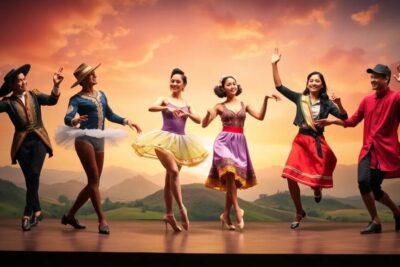
Types of Dance Shoes and How to Choose the Right Pair
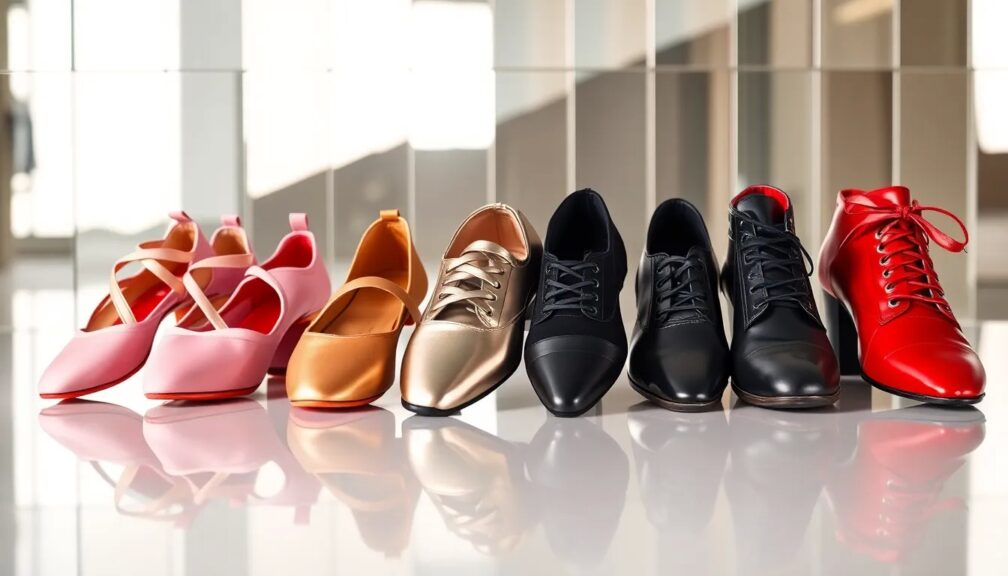
From the soft slippers of ballet to the bold, nail-studded heels of flamenco, dance shoes have evolved for centuries to support every style’s unique rhythm and movement. In fact, dancers in ancient civilizations used specialized footwear in ritualistic performances—proving that the connection between foot and floor has always been sacred. Today, choosing the right pair isn't just about style—it's a key part of technique, safety, and self-expression.
Whether you're a beginner exploring your first dance class or a seasoned performer looking to upgrade your footwear, understanding the different types of dance shoes is essential. This guide explores why proper footwear matters, breaks down the most common shoe types by style, offers tips for fit and maintenance, highlights buying mistakes to avoid, and answers frequently asked questions—all to help you step into the studio with confidence.
Table of Contents:
Why Choosing the Right Dance Shoes Matters
Dancers know that movement starts from the ground up. In contemporary dance—where fluidity, control, and precision are essential—your choice of footwear directly affects your performance and safety. Wearing the wrong shoes can lead to poor technique, discomfort, or injury. Whether you're practicing ballet, salsa, or hip-hop, proper footwear ensures the right support, grip, and flexibility. Let’s explore why this decision is more than just about style.
Impact on Technique and Performance
The right pair of shoes enhances your ability to execute movements correctly. Contemporary dance often blends elements from multiple disciplines, requiring a balance between groundedness and lift. Shoes with the appropriate sole and flexibility allow for smoother transitions, stronger turns, and better articulation of the foot. Ill-fitting or overly stiff shoes can restrict your range of motion, leading to flawed technique and weaker expression.
Injury Prevention
Dance is physically demanding, and repetitive movements on hard surfaces can take a toll on your joints and muscles. Proper shoes provide essential shock absorption and arch support, reducing strain on the ankles, knees, and lower back. For instance, barefoot alternatives with protective padding or minimalist dance shoes can help reduce the risk of sprains, blisters, and long-term injuries, especially during floorwork and improvisation.
Comfort and Endurance
Comfort affects how long you can train and perform effectively. Contemporary dancers often rehearse for hours, and wearing the wrong shoes can quickly lead to fatigue and distraction. Shoes designed for contemporary movement are typically lightweight, breathable, and tailored to the dancer’s foot shape, allowing for prolonged wear without discomfort. This supports both focus and endurance, especially during demanding choreography.
Adapting to Different Surfaces
Contemporary dance is performed in studios, on stage, or even outdoors. The surface you dance on influences what type of shoe you need. For example, a marley floor may require shoes with more grip, while wooden or outdoor surfaces may call for additional cushioning or foot protection. Choosing the right shoes helps dancers adapt safely to different environments without compromising their movement quality.
As we’ve seen, the right footwear plays a critical role in supporting technique, comfort, and injury prevention. But not all dance shoes are created equal—and the variety of options available can be overwhelming. In the next section, we’ll break down the main types of shoes used in contemporary dance and how to choose the best one for your needs.
Main Types of Dance Shoes
Dance shoes are designed with specific materials, shapes, and features to support the unique demands of each style. Choosing the right type enhances performance, prevents injury, and connects you more closely to the floor and your movement. Below are the main types of dance shoes, along with their key features and uses.
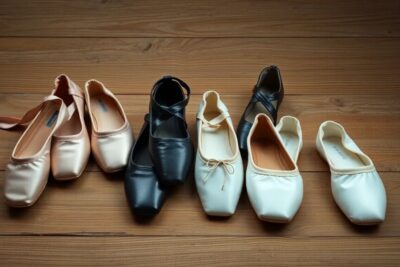
Ballet Shoes
Features: Lightweight with a snug fit and either a full or split sole for flexibility and foot articulation.
Best for: Ballet practice and performance at all levels.
Variants: Leather (durable), canvas (breathable), and satin (typically used for performances).
Pointe Shoes
Features: A boxed toe and strong shank to support the dancer while standing en pointe.
Special considerations: Must be professionally fitted to avoid injury and ensure proper support.
Used by: Advanced ballet dancers engaging in pointe work.
Jazz Shoes
Features: Flexible rubber soles, low heel or split sole design, and elastic panels or laces for a snug fit.
Best for: Jazz dance, musical theatre, and contemporary fusion styles that require both control and agility.
Tap Shoes
Features: Metal plates attached to the toe and heel to create rhythmic sounds, typically constructed from sturdy leather.
Ideal for: Tap dance routines, rhythm-based choreography, and precision footwork.
Ballroom Shoes
Men’s styles: Smooth leather construction with reinforced arch support.
Women’s styles: Heeled shoes with suede soles for smooth gliding and better floor connection.
Styles covered: Latin, Standard, Salsa, and more, each requiring specific sole flexibility and heel height.
Character Shoes
Features: Closed-toe design with a stable medium heel, often made of leather or synthetic materials.
Used in: Musical theatre, chorus line work, and some classical or folk-style performances.
Hip-Hop and Street Dance Shoes
Features: High-top or low-cut sneakers with cushioned, flexible soles and solid ankle support.
Best for: Urban styles such as hip-hop, breakdance, krump, and freestyle street choreography.
Flamenco Shoes
Features: Thick, reinforced soles with nails embedded in the heel and toe to produce percussive sounds, combined with a strong heel for stability.
Specific to: Flamenco and traditional Spanish folk dance forms.
Irish Dance Shoes (Hard & Soft Shoes)
Soft shoes: Lightweight, similar to ballet slippers, designed for intricate footwork and leaps.
Hard shoes: Built with fiberglass or resin tips and heels for strong, resonant sounds on the dance floor.
Used in: Traditional Irish dance, both solo and competitive formats.
How to Choose the Right Dance Shoe for Your Style
Choosing the right dance shoe goes beyond aesthetics—it's about performance, comfort, and injury prevention. With so many types of shoes available, it’s essential to match your footwear to your dance style, personal needs, and environment. Below are the key factors to consider when making your choice, followed by a comparison table that can be easily embedded into a WordPress post.
Key Factors to Consider
- Dance style: Each genre has specific technical and functional requirements. Ballet needs flexible, form-fitting shoes, while hip-hop demands more shock absorption and ankle support.
- Skill level: Beginners often need more support and cushioning, while advanced dancers may prefer lighter or more specialized shoes for control and precision.
- Foot shape: High arches, wide feet, or specific pressure points affect fit and comfort. A shoe that fits one dancer perfectly might not work for another.
- Floor type: Marley, hardwood, concrete, or carpeted floors all influence the amount of grip and shock absorption you’ll need.
- Frequency of use: Daily practice calls for more durable materials, while occasional performers may prioritize aesthetics or weight over longevity.
Dance Shoe Comparison Table
You can copy and paste this table directly into a WordPress block (such as a Table or HTML block) for responsive formatting:
| Dance Style | Shoe Type | Skill Level | Foot Shape Notes | Floor Type | Frequency of Use | Best For |
|---|---|---|---|---|---|---|
| Ballet | Ballet Shoes / Pointe Shoes | Beginner to Advanced | Needs snug fit | Marley, studio wood | Daily or frequent | Precision, foot articulation |
| Jazz | Jazz Shoes | All levels | Good for most foot types | Studio, stage | Regular use | Grip and smooth transitions |
| Tap | Tap Shoes | Intermediate to Advanced | Structured fit recommended | Hardwood | Moderate to frequent | Clear percussive sound |
| Contemporary | Foot undies / Jazz / Barefoot | All levels | Flexible fit needed | Marley, dance studio | Daily or moderate | Control, floorwork, expression |
| Hip-Hop | Street Dance Sneakers | All levels | Ankle support important | Concrete, studio | Daily or casual | Shock absorption, freedom to move |
| Ballroom | Ballroom Heels / Smooth Shoes | Intermediate to Pro | Snug, but comfortable | Polished or dance floor | Performance or frequent | Slide, posture, partner movement |
| Flamenco | Flamenco Shoes | All levels | Structured, strong heel | Wooden platform | Moderate to frequent | Strong footwork and sound projection |
| Irish Dance | Soft or Hard Shoes | All levels | Firm fit, arch support | Stage, studio | Training or shows | Jumps, rhythm, foot speed |
In the following section, we’ll look at how to properly care for your dance shoes to extend their life and maintain performance—an essential step often overlooked by dancers of all levels.
Tips for Fitting and Maintaining Dance Shoes
A well-fitted dance shoe can make the difference between flawless movement and painful distraction. Whether you're a beginner or a professional, taking care of your shoes—and knowing when it's time for a new pair—is essential to your performance and safety. Here are key tips to help you fit, care for, and preserve your dance shoes effectively.
How to Ensure a Proper Fit
- Try them on at the end of the day, when your feet are naturally more swollen, to avoid buying shoes that will feel too tight during practice.
- Wear dance socks or tights when trying them on to replicate actual use.
- The shoe should hug your foot without pinching—snug but not painful.
- For split sole styles, ensure that the arch conforms to your foot's natural curve.
- Test for secure heel placement to avoid slipping, especially in jazz and ballroom shoes.
When to Replace Them
- Replace your shoes if you notice loss of support, such as softening of the shank (in pointe shoes) or uneven wear on the soles.
- Check for reduced grip or traction, especially in hip-hop sneakers and jazz shoes.
- Persistent foot discomfort or new blisters can signal the shoe is no longer protecting your foot correctly.
- Frequent dancers should expect to replace shoes every 3–6 months, depending on intensity and usage.
How to Break Them In
- Wear your shoes for short rehearsals at first, gradually increasing wear time.
- For leather shoes, warm them with movement to soften and mold to your foot.
- With pointe shoes, avoid wetting or force-bending the box—instead, gently work through pliés and relevés to shape them naturally.
- Use heel grips or gel pads to reduce pressure and prevent blisters during the break-in period.
Cleaning and Storage Tips
- Canvas and some synthetic shoes can be hand-washed with mild soap and air-dried—never use a dryer.
- Leather shoes should be wiped with a damp cloth and occasionally conditioned to maintain flexibility.
- Avoid storing shoes in closed bags—use breathable mesh bags or let them air out to prevent odor and bacteria buildup.
- Keep shoes away from heat or direct sunlight, which can damage materials and deform structure.
- For performance shoes, reserve a separate pair for stage use and another for practice, if possible.
By paying attention to fit and care, you’ll not only improve your performance but also extend the life of your shoes. Up next, we’ll explore where to buy quality dance shoes and what to look for when shopping online or in-store.
Where to Buy Quality Dance Shoes
Finding the right place to purchase dance shoes can impact not only your wallet but also your long-term comfort and performance. Whether you shop online or visit a physical store, it’s important to know what to look for, what to avoid, and how to make sure you're getting the best value for your investment.
Online Stores vs. Physical Stores
- Online stores offer a wide variety of brands, styles, and sizes—often at better prices or with seasonal discounts. They're especially helpful if you already know your exact size and preferred model.
- However, online shopping lacks the ability to try on shoes, which can be risky if you're switching brands or styles.
- Physical dancewear stores allow for personal fittings, expert guidance, and the ability to test fit and comfort on the spot. They're ideal for first-time buyers or dancers purchasing pointe shoes, character shoes, or flamenco footwear.
- A hybrid approach—trying in-store, then purchasing online—can work well if you're cost-conscious and know your exact sizing.
What to Look for in a Good Brand
- A reputable dance shoe brand will offer consistent sizing, durable materials, and design tailored to specific dance styles.
- Look for reviews from dancers at your level—what works for a pro may not suit a beginner.
- Brands that collaborate with professional dancers or schools often reflect real-world feedback in their products.
- Check whether the brand uses ethically sourced materials or provides specialized options for different foot shapes and arches.
Return Policies and Fittings
- A good return policy is essential when buying dance shoes, especially online.
- Look for stores that allow free returns or exchanges within 14–30 days, and ensure shoes can be tried on indoors without voiding the return.
- Some online retailers offer virtual fittings or foot measurement guides, which can be helpful when in-person fitting isn’t an option.
- If buying pointe shoes, never skip professional fitting—even top dancers rely on expert guidance to prevent injury and maximize performance.
Understanding where and how to buy quality dance shoes is just the beginning. Before making your purchase, it's equally important to recognize the common mistakes dancers often make—especially when buying their first pair. Let’s take a closer look at what to avoid to ensure you make the right choice from the start.
Common Mistakes When Buying Dance Shoes
Even the most experienced dancers can make errors when choosing new footwear. With so many styles and brands available, it's easy to fall into traps that can affect your comfort, technique, or even lead to injury. Below are some of the most common mistakes to avoid when buying dance shoes—especially if you're new to a style or upgrading from beginner-level gear.
Choosing Fashion Over Function
It’s tempting to pick the most stylish or trendy pair of shoes, especially for performances or competitions. However, aesthetic appeal should never override functionality. Dance shoes need to support your movements, cushion impact, and provide grip or slide depending on your style. Prioritize shoes designed for performance first, and look for stylish options within that framework.
Ignoring Proper Fit
Buying the wrong size—too tight, too loose, or improperly shaped—can lead to blisters, poor technique, and long-term foot problems. Dance shoes should feel snug without restricting movement or circulation. Avoid assuming that your street shoe size will match; dance shoe sizing can vary significantly by brand and style. When possible, always try before you buy or consult a sizing chart and reviews from dancers with similar foot types.
Not Matching Shoes to the Dance Style
Each dance discipline has its own demands. Using jazz shoes for hip-hop, or sneakers for flamenco, compromises your performance and safety. Shoes are engineered to complement specific movements, whether it's the pointed toes of ballet, the heel strikes of flamenco, or the turns of ballroom dance. Make sure you’re selecting footwear that aligns precisely with the style you're practicing.
Skipping Professional Advice
Dancers often overlook the value of expert fitting or instructor recommendations—especially when buying their first pair. Professionals can spot fit issues or suggest models that suit your level and foot structure. For specialized shoes like pointe or character footwear, skipping expert input can result in discomfort or injury. Don’t hesitate to ask for help, whether at a store or from your dance teacher.
Avoiding these common pitfalls will not only save you money in the long run but also ensure a more enjoyable and injury-free dance experience. Coming up next, we’ll dive into expert recommendations and top-rated dance shoes for different styles and skill levels.
FAQs About Dance Shoe Types
If you're new to dance or exploring a new style, it's natural to have questions about the different types of footwear available. Choosing the right shoe isn’t just about comfort—it’s about performance, injury prevention, and longevity. Below are some of the most frequently asked questions dancers have when it comes to dance shoe types.
Can I Use the Same Shoes for Multiple Dance Styles?
While it might seem convenient, it's generally not recommended to use the same pair of shoes across different dance styles. Each discipline requires specific support, grip, and flexibility:
- Jazz shoes may work for some contemporary classes, but they won't offer the ankle support needed for hip-hop.
- Ballet shoes are lightweight for articulation, but they don’t have the structure needed for tap or ballroom.
- Hip-hop sneakers can hinder movement in styles that require pointing or gliding.
Using the wrong shoes can not only limit your technique but also increase your risk of injury.
What’s the Difference Between Split Sole and Full Sole?
This is a common question, especially for ballet and jazz dancers.
- Full sole shoes have a continuous sole from heel to toe, providing more support and resistance—ideal for beginners building foot strength.
- Split sole shoes have separate heel and toe pads with a flexible arch in between. This design enhances arch visibility, flexibility, and articulation, making them a popular choice for intermediate and advanced dancers.
Choosing between the two depends on your skill level and how much foot control you’ve developed.
How Long Do Dance Shoes Last?
The lifespan of your dance shoes depends on factors like dance style, frequency of use, floor surface, and shoe quality. Here are some general guidelines:
- Ballet shoes (canvas or leather): 3–6 months with regular use.
- Pointe shoes: May last as little as a few weeks with daily training.
- Jazz and hip-hop shoes: 6–12 months depending on intensity.
- Ballroom shoes: Can last up to a year or longer with proper care.
- Tap shoes and character shoes: Tend to be more durable, but may need new heel/toe plates over time.
Rotating between pairs and caring for your shoes properly will help extend their life significantly.
Still curious about what shoes are best for your level or goals? In the next section, we’ll highlight expert-approved models to help you shop smarter and dance better.
Discover more about the world of dance: