What Is the Polka Dance? Origins, Steps, and Cultural Legacy

Did you know that the polka dance, with its lively tempo and infectious rhythm, has roots that stretch across cultures and continents? This energetic dance, characterized by its hopping steps and vibrant music, has become a beloved tradition in many communities worldwide. While its origins may be a bit murky, there’s no denying the cultural significance and joy that the polka dance brings to people of all ages.
In this exploration of the polka, we will delve into its rich history, its various styles, the cultural contexts in which it thrives, and the technical aspects that make it so enjoyable to dance and watch. We'll also uncover the fascinating connections between the polka and the music that accompanies it, providing a comprehensive understanding of this delightful dance form.
Table of Contents:
The Origins of the Polka Dance
The polka dance originated in the early 19th century, with its beginnings often traced back to the Czech lands of Europe, particularly in what is now the Czech Republic. The exact polka origin is sometimes debated, with some historians suggesting that it emerged in Bohemia around the 1830s. The word "polka" itself is derived from the Czech word "půlka," meaning "half," which is likely a reference to the dance's half-step rhythm.
As the polka music gained popularity, it quickly spread beyond its Czech roots, capturing the hearts of dancers across Europe. By the mid-19th century, the dance had made its way to Germany and then to other parts of Europe, including Poland, where it became a staple of folk celebrations. This widespread acceptance led to variations of the dance, resulting in what we now recognize as the polish dance polka and other regional adaptations.
One of the key factors in the polka's popularity was its accessibility. The dance’s simple steps made it easy for people of all ages and skill levels to participate, leading to its widespread adoption at social gatherings, balls, and festivals. The history of the polka dance is not just a tale of a dance style; it represents a shared cultural experience that transcends borders and unites people in celebration.
Polka Music: The Heartbeat of the Dance
At the core of the polka dance is its infectious music, which is pivotal in creating the lively atmosphere associated with this joyous form of expression. The traditional polka music is characterized by a fast-paced tempo, typically ranging from 120 to 140 beats per minute, and is often played in 2/4 time. This energetic rhythm is what makes the polka so appealing and fun to dance.
The polka music genre includes a variety of instruments, with the accordion being one of the most iconic in traditional polka bands. Other instruments commonly found in polka ensembles include brass instruments like trumpets and trombones, as well as percussion instruments that add to the upbeat feel. The melodies are often catchy and repetitive, making them easy to follow for dancers.
As the polka spread across Europe and into the Americas, it absorbed influences from various musical styles, leading to a rich tapestry of polka music that includes everything from folk to swing. In the United States, especially in regions with large Polish and Czech immigrant populations, polka music became a popular choice at community events, weddings, and festivals. Notable polka bands and musicians, such as Frankie Yankovic and Jimmy Sturr, have helped to keep the genre alive and thriving, ensuring that the polka dance music continues to resonate with audiences today.
The Cultural Significance of the Polka
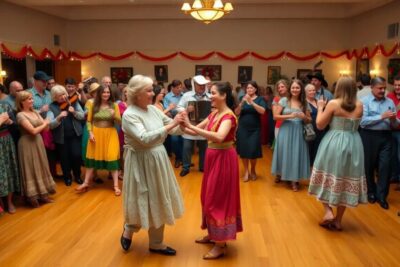
The polka dance is more than just a form of entertainment; it embodies cultural identity and community spirit. In many cultures, particularly within Polish and Czech communities, the polka serves as a means of preserving traditions and connecting generations. It is often featured at weddings, festivals, and family gatherings, where it fosters a sense of belonging and shared heritage.
In Poland, the polish polka dance is deeply rooted in the nation’s folk culture. It is often performed in traditional costumes, enhancing the visual appeal and cultural significance of the dance. The polka is not just a dance; it is a celebration of Polish identity and heritage, representing the resilience and joy of the Polish people. Similarly, in other cultures, the polka has adapted to reflect local customs, languages, and musical styles, creating a diverse range of polka dances that highlight the beauty of cultural exchange.
Moreover, the history of polka is intertwined with significant social movements. During the 19th and 20th centuries, the dance became a symbol of unity among immigrant communities in America, providing a way for people to connect with their roots while embracing their new home. This blending of cultures has allowed the polka dance to evolve, remaining relevant and cherished in contemporary society.
Techniques and Steps of the Polka Dance
To truly appreciate the polka dance, it's essential to understand its basic steps and techniques. The dance is typically performed in pairs, with partners facing each other. The basic step consists of a series of quick hops, alternating between the feet, and is often described as a "step-hop" movement. Dancers usually begin with their feet together, stepping to the side with one foot, followed by a quick hop on the same foot, and then bringing the other foot to join in.
The infectious rhythm of polka dancing music encourages dancers to maintain a lively and energetic demeanor. As dancers become more comfortable with the basic steps, they often incorporate turns, spins, and other embellishments to add flair to their performance. The social aspect of the dance allows for creativity and improvisation, making each polka experience unique.
Learning to dance polka can be a joyous endeavor. Beginners are encouraged to practice with a partner or in a group setting, as the communal nature of the dance often enhances the learning experience. Many dance studios and community centers offer classes in how to dance polka, providing guidance on posture, timing, and coordination with the music. Whether performed in a ballroom or a casual backyard gathering, the polka dance is sure to bring smiles and laughter to all participants.
The Polka's Global Journey
While the polka dance has its roots in Central Europe, it has traveled the world, adapting to various cultures along the way. In the United States, for instance, the polka became intertwined with the music of immigrant communities, particularly those of Polish, Czech, and German descent. As these groups settled in different regions, they brought their musical traditions with them, leading to the development of unique regional styles of polka.
In the Midwest, particularly in states like Wisconsin and Minnesota, the polka became a significant aspect of social life. Local bands began to incorporate elements of American folk and country music into their polka performances, creating a distinct regional flavor. Today, polka festivals are held across the United States, celebrating this rich cultural heritage and allowing generations to connect through dance and music.
The history of polka also includes adaptations in Latin America. In countries like Mexico, the polka has been embraced and transformed into a vibrant part of local folk traditions. Mexican polka, often called "Polka Mexicana," incorporates regional musical styles and rhythms, showcasing the versatility and adaptability of the dance. This blending of cultures highlights the universal appeal of the polka dance as a joyful expression of community and celebration.
The Future of the Polka Dance
As we look to the future, the polka dance continues to evolve, blending traditional elements with contemporary styles. Dance enthusiasts and musicians alike are finding innovative ways to keep the spirit of polka alive. Modern interpretations often incorporate elements from popular music genres, allowing the polka to attract younger audiences while still honoring its rich history.
Social media platforms and dance workshops are also playing a crucial role in the resurgence of interest in the polka dance. Online tutorials and virtual dance events have made it easier for people around the world to learn and engage with this lively art form. The accessibility of these resources has allowed for a wider appreciation of the dance, ensuring that it remains relevant in today’s fast-paced world.
Moreover, the polka’s adaptability means that it will continue to inspire new generations of dancers. As communities come together to celebrate their cultural heritage, the polka dance will undoubtedly remain a cherished tradition, bringing joy and connection to people across the globe. Whether performed in a traditional ballroom or at a modern dance festival, the energy and spirit of the polka will continue to resonate, reminding us of the importance of celebration, community, and cultural expression.
Contra Dance Explained: Origins, Moves, and How to Get Involved
Square Dance: History, Styles, and Health Benefits
Ice Dance: Techniques, Scoring, History, and Icons
Salsa Music: Origins, Styles, and Popular Artists
Ghost Dance: Meaning, History, and Native Legacy
Argentine Tango: Dance, Music, History & How to Start
Discover more about the world of dance: