History of Tap Dancing: Origins, Timeline, Facts, and Evolution
The history of tap dancing is the story of rhythm, migration, cultural exchange, performance, and innovation. Tap dance developed in the United States during the 19th century, blending African rhythmic traditions with Irish and English step dances. Over time, it became one of America’s most recognizable dance forms, moving from streets and social spaces to minstrel stages, vaudeville, Broadway, Hollywood films, television, and modern concert dance.
Tap dancing is unique because the dancer is also a musician. The feet create rhythm, accents, syncopation, and musical conversation. That is why tap is not only about movement; it is also about sound. Many classic dance moves in tap are designed to produce clear rhythms, from shuffles and flaps to wings and time steps. Like jazz dance, tap dance became deeply connected to American music, entertainment, and African American cultural expression.
This guide explains the history of tap dance through its origins, timeline, major figures, classic styles, tap shoes, cultural impact, and important facts. It also answers common questions such as where did tap originate, when was tap dancing invented, and who invented tap dancing.
Table of Contents:
- What Is Tap Dancing?
- Origins of Tap Dance: Where Did Tap Originate?
- When Was Tap Dancing Invented?
- Who Invented Tap Dancing?
- History of Tap Dance Timeline: Key Milestones
- Segregation’s Impact on Tap Dance History
- Vaudeville, Broadway, and the Rise of Tap Dancing
- Tap Dance in Hollywood, Television, and Las Vegas
- Tap Shoes, Taps, and Classic Tap Steps
- Different Styles of Tap Dancing
- Notable Figures in Tap Dance History
- Tap Dance Facts: What Makes Tap Dancing Unique?
- The Rebirth and Modern Evolution of Tap Dance
- Conclusion: Why the History of Tap Dancing Still Matters
What Is Tap Dancing?
Tap dancing is a percussive dance style in which dancers use their feet to create rhythmic sounds. The sound usually comes from metal plates, called taps, attached to the toe and heel of the shoes. These sounds turn the dancer’s footwork into music.
Unlike many dance forms that focus mainly on visual shapes, tap dance combines movement and rhythm equally. A tap dancer must think like both a dancer and a drummer. Every step can become a beat, every pause can become part of the rhythm, and every phrase can respond to the music.
Tap dance belongs to the larger history of dance, but it has a special place because it developed from the meeting of different cultural traditions in America. Its roots are social, musical, theatrical, and historical at the same time.
Origins of Tap Dance: Where Did Tap Originate?
The origin of tap dance is usually traced to the United States in the early 19th century. More specifically, tap dancing developed from the contact between African diasporic rhythm traditions and European step dances, especially Irish jigs, English clog dancing, and other folk dance forms.
So, where did tap originate? Tap originated in America, but its roots came from multiple cultural sources. Enslaved Africans brought complex rhythmic traditions, body percussion, improvisation, and call-and-response patterns. European immigrants brought hard-shoe step dances, including Irish and English styles that emphasized fast footwork. In cities and performance spaces, these traditions interacted and gradually created a new dance language.
The origins of tap dance were not clean or simple. Tap grew in a society shaped by slavery, racism, segregation, immigration, popular entertainment, and cultural exchange. It was built by communities, not invented in a single moment by one person.
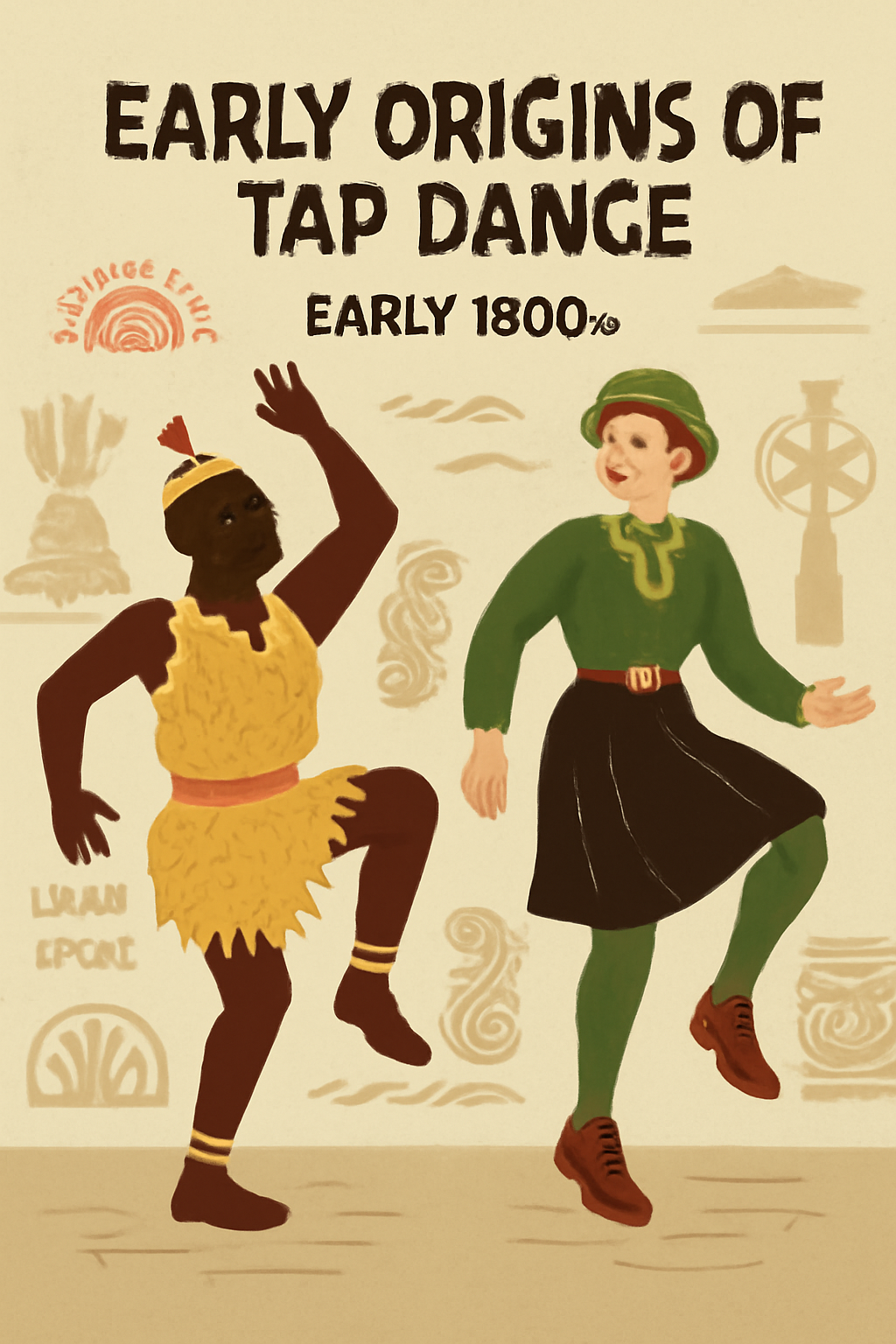
The earliest forms of tap did not look exactly like modern tap dancing. Before metal taps became common, performers used hard-soled shoes, wooden soles, clogs, or leather shoes to produce sound. Over time, these rhythmic footwork traditions became more refined, eventually leading to the recognizable tap dance style known today.
When Was Tap Dancing Invented?
When was tap dancing invented? Tap dancing was not invented on one exact date. It developed gradually during the early to mid-19th century in the United States. A more accurate answer is that tap dance began taking shape in the 1800s and became more recognizable as a stage form later in the 19th century.
If someone asks when was tap dance invented or when did tap dancing start, the best answer is: tap dancing started in the early 1800s through the blending of African American rhythmic dance and European step dance traditions. It became more visible in popular entertainment during the 19th century and reached wider audiences through vaudeville, Broadway, and film in the 20th century.
This matters because tap was not created in a studio or by a single choreographer. It emerged through performance, competition, imitation, improvisation, and cultural exchange. That long process is what makes the tap dance history so rich.
Who Invented Tap Dancing?
Who invented tap dancing? No single person invented tap dance. Tap dancing was created collectively over time by African American dancers, European immigrant dancers, street performers, stage artists, and musicians who shaped the form through rhythm, improvisation, and performance.
However, several early performers were extremely important in the development of tap. One of the most important early figures was William Henry Lane, known as “Master Juba.” He was a 19th-century African American dancer celebrated for his extraordinary rhythmic footwork. Many historians consider him one of the key links between earlier vernacular dance forms and the later development of tap.
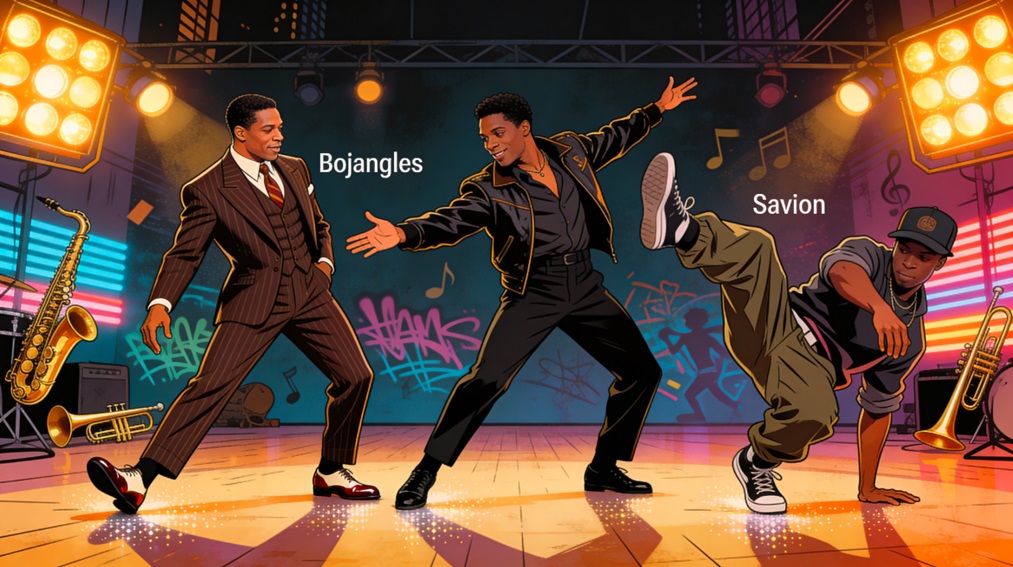
Later, performers such as Bill “Bojangles” Robinson, John Bubbles, the Nicholas Brothers, Fred Astaire, Eleanor Powell, Gregory Hines, and Savion Glover helped shape tap dancing for different generations. So, when answering who invented tap dance, it is better to say that tap was not invented by one person; it evolved through many artists and communities.
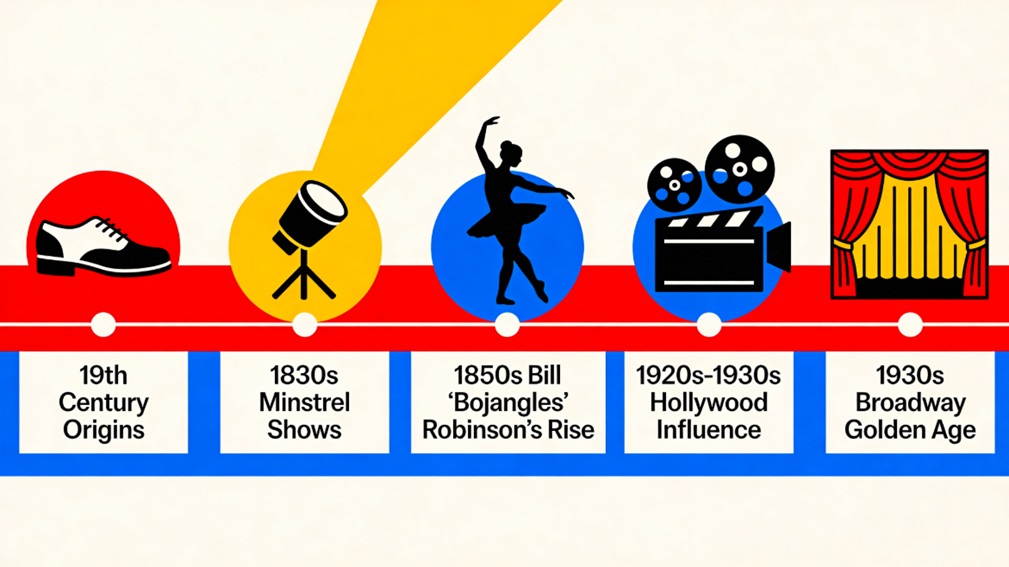
History of Tap Dance Timeline: Key Milestones
A clear history of tap dance timeline helps explain how tap moved from cultural roots to mainstream entertainment and then into modern innovation. The development of tap dancing happened in stages, with each era adding something important to the form.
Early 1800s: African and European Roots Combine
Tap dance began forming from the meeting of African rhythmic practices and European step dances. African American dancers used rhythm, improvisation, and body percussion, while Irish and English step traditions contributed fast footwork and hard-shoe sounds. This cultural fusion created the foundation of tap dancing.
Mid-1800s: Early Stage Performance and Master Juba
By the mid-19th century, rhythmic footwork was becoming part of public entertainment. William Henry Lane, known as Master Juba, became one of the most celebrated early dancers. His performances helped show how powerful and complex this developing dance form could be.
Late 1800s: Minstrel Shows and Popular Entertainment
Tap-related dance appeared in minstrel shows and other forms of popular entertainment. This period was complicated and painful because many performances used blackface and racist stereotypes. At the same time, African American performers contributed essential artistry and technique that helped shape the future of tap.
Early 1900s: Vaudeville Expands Tap Dancing
Vaudeville gave tap dancers a major stage. Dancers performed short, exciting routines alongside singers, comedians, magicians, and musicians. This era helped standardize tap as a professional performance style and encouraged dancers to develop speed, clarity, personality, and showmanship.
1920s–1930s: Broadway and Hollywood Golden Age
Tap dancing became a major part of Broadway musicals and Hollywood films. Dancers such as Bill “Bojangles” Robinson, Fred Astaire, Ginger Rogers, Eleanor Powell, and the Nicholas Brothers helped bring tap to national and international audiences. This period is often seen as one of the golden ages of tap dance.
1940s–1950s: Film, Nightclubs, and Changing Entertainment
Tap remained popular in films, nightclubs, and live entertainment, but changing musical tastes and the rise of new dance styles began to affect its visibility. Jazz, ballet, modern dance, and later rock-and-roll influenced what audiences wanted to see on stage and screen.
1960s–1970s: Decline and Preservation
Tap dancing became less visible in mainstream entertainment during parts of the mid-20th century. However, many dancers, teachers, and communities preserved the form. Older masters continued to teach younger dancers, keeping important steps, rhythms, and stories alive.
1980s–1990s: Tap Revival
Tap experienced a major revival through artists such as Gregory Hines and Savion Glover. Broadway shows, films, festivals, and television appearances helped bring tap back to public attention. Glover’s work, especially in Bring in 'da Noise, Bring in 'da Funk, connected tap history with contemporary rhythm, improvisation, and African American cultural memory.
2000s–Today: Global and Contemporary Tap
Today, tap dance is practiced around the world. Dancers use traditional steps while also experimenting with jazz, hip-hop, contemporary dance, electronic music, and global rhythms. The modern history of tap dancing continues to grow through festivals, online classes, competitions, stage productions, and independent artists.
Segregation’s Impact on Tap Dance History
Segregation had a major impact on the history of tap dancing. Many of the dancers who shaped tap were African American artists working in a society that limited their opportunities. They often faced racism, unequal pay, restricted venues, and stereotypes in entertainment.
In minstrel shows and later stage entertainment, Black culture was often copied, distorted, or commercialized without proper recognition. At the same time, Black performers were central to the development of tap’s rhythm, improvisation, musicality, and expressive power. This contradiction is one of the most important parts of tap dance history.
Tap became a space where African American dancers could demonstrate technical brilliance, humor, style, elegance, and musical intelligence. Even when the entertainment industry placed limits on them, many tap dancers used performance to assert identity, creativity, and excellence.
Vaudeville, Broadway, and the Rise of Tap Dancing
Vaudeville played a huge role in the rise of tap dancing. These variety shows featured short acts, and tap dancers had to impress audiences quickly. A successful tap act needed speed, rhythm, personality, comedy, musicality, and stage presence.
Vaudeville helped turn tap into a professional stage skill. Dancers developed signature routines and competed to create more difficult steps. The stage also encouraged tap dancers to become entertainers, not just technicians. They needed to connect with audiences through rhythm and character.
Broadway later expanded the role of tap dance in musical theater. Tap numbers became part of larger stories, helping characters express joy, tension, elegance, comedy, or celebration. This theatrical use of tap connects it with other stage dance traditions, including ballroom dancing, which also became important in American entertainment and social dance history.
Tap Dance in Hollywood, Television, and Las Vegas
Hollywood helped make tap dance famous around the world. In movie musicals of the 1930s and 1940s, tap dancing became a symbol of glamour, rhythm, elegance, and spectacle. Film allowed tap routines to reach audiences far beyond live theaters.
Fred Astaire brought smoothness and sophistication to screen tap. Eleanor Powell became known for her power and precision. The Nicholas Brothers amazed audiences with athletic, musical, and acrobatic performances. Bill “Bojangles” Robinson became one of the most beloved tap dancers of his era, known for his clarity, charm, and stair dance routines.
Television and Las Vegas also shaped tap dancing history. As entertainment moved into new formats, tap dancers adapted to variety shows, nightclub acts, casino stages, and televised performances. Even when tap became less dominant in mainstream film, it survived through live performance, teaching, and entertainment circuits.
Tap Shoes, Taps, and Classic Tap Steps
Modern tap dancing depends heavily on tap shoes. Tap shoes usually have metal plates attached to the toe and heel. These metal pieces are called taps. When the dancer strikes, brushes, slides, or drops the foot, the taps create sound.
Earlier forms of tap did not always use metal taps. Dancers used hard shoes, clogs, wooden soles, or leather shoes to make rhythmic sounds. As the dance evolved, metal taps helped dancers create sharper, louder, and more controlled rhythms.
Classic tap steps include the shuffle, flap, ball change, buffalo, cramp roll, pullback, wing, paddle and roll, and time step. These steps can be combined into complex rhythms. The time step is especially important because it helps dancers mark rhythm and structure within a routine.
The best tap dancers do not simply perform steps; they create musical phrases. A simple shuffle can become expressive depending on timing, weight, speed, accent, and silence. This is why tap dancing is often described as both dance and percussion.
Different Styles of Tap Dancing
Tap dance includes several styles, and each style reflects a different part of its history. Tap is one of many types of dance, but it stands apart because of its strong connection to rhythm and sound.
Rhythm Tap
Rhythm tap focuses on musical complexity. The dancer’s feet function like a percussion instrument, creating syncopation, accents, and improvisational patterns. Rhythm tap is closely connected to jazz music and African American rhythmic traditions.
Broadway Tap
Broadway tap emphasizes performance, clarity, choreography, and storytelling. It is often seen in musicals, where tap steps support character, mood, and theatrical energy. Broadway tap may be more visual and polished than rhythm tap, but it still depends on strong timing and clean sounds.
Classical or Film Tap
Classical screen tap is associated with Hollywood musicals and elegant stage presentation. Dancers such as Fred Astaire and Eleanor Powell helped define this polished style, where tap was blended with ballroom, jazz, and theatrical movement.
Contemporary Tap
Contemporary tap combines traditional technique with modern influences. Some dancers blend tap with hip-hop, funk, electronic music, spoken word, or contemporary dance. This keeps tap connected to its roots while allowing it to evolve.
Like tango dance, tap dance has a deep cultural identity and a long history of adaptation. Both forms show how dance can preserve tradition while changing across generations.
Notable Figures in Tap Dance History
Many dancers shaped the history of tap dance. Some became famous on stage and screen, while others preserved the form through teaching, choreography, and community performance.
Master Juba
William Henry Lane, known as Master Juba, was one of the most important early figures in tap history. His rhythmic skill helped bridge older dance traditions and the development of tap as a recognizable performance style.
Bill “Bojangles” Robinson
Bill Robinson became one of the most famous tap dancers of the early 20th century. He was known for his light, clear, and elegant style. His stage and film work helped bring tap dancing to wider audiences.
John Bubbles
John Bubbles helped develop rhythm tap by emphasizing heel drops, complex rhythms, and deeper musical phrasing. His influence can be heard in later generations of tap dancers.
The Nicholas Brothers
Fayard and Harold Nicholas became famous for their athletic, musical, and visually stunning performances. Their routines combined tap, jazz movement, acrobatics, and extraordinary timing.
Fred Astaire and Eleanor Powell
Fred Astaire and Eleanor Powell helped define tap dance in Hollywood musicals. Astaire was known for elegance and flow, while Powell was celebrated for power, precision, and technical brilliance.
Gregory Hines
Gregory Hines played a major role in the tap revival of the late 20th century. He brought tap to film, television, concert stages, and younger audiences, while honoring the masters who came before him.
Savion Glover
Savion Glover pushed tap into new artistic territory. His style emphasizes rhythm, improvisation, weight, sound, and musical conversation. His work helped prove that tap is not only entertainment but also a serious modern art form.
Tap Dance Facts: What Makes Tap Dancing Unique?
These tap dance facts help explain why the art form is so important in dance history:
- Tap dancing is both dance and music. The dancer creates rhythm with the feet, almost like a drummer.
- No single person invented tap dance. It developed through African American, Irish, English, and American performance traditions.
- Tap originated in the United States. Its roots came from cultural exchange in the 19th century.
- Tap shoes became part of the instrument. Metal taps helped dancers create sharper and louder sounds.
- Improvisation is central to tap. Many tap dancers create rhythms in the moment, especially in rhythm tap.
- Tap was shaped by vaudeville, Broadway, film, television, and nightclubs. Each stage of entertainment changed how tap was performed.
- Tap has deep African American roots. Black dancers played a central role in developing, preserving, and transforming the form.
- Tap continues to evolve today. Modern dancers combine tap with jazz, hip-hop, funk, contemporary music, and global rhythms.
These tap dancing facts show why tap is more than a dance style. It is a historical record of rhythm, identity, innovation, and performance.
The Rebirth and Modern Evolution of Tap Dance
After tap became less visible in mainstream entertainment during parts of the mid-20th century, dancers and teachers worked to preserve it. The tap revival brought renewed attention to older masters and introduced tap to new generations.
Gregory Hines helped make tap visible again through stage, film, and television. He respected the history of the form while making it feel alive and contemporary. Savion Glover then pushed tap further by emphasizing deep rhythm, improvisation, and a powerful connection to Black musical traditions.
Today, tap dance is global. Dancers study historical steps, attend tap festivals, share choreography online, and create new work that blends tradition with modern music. The future of tap depends on this balance: honoring the past while continuing to experiment.
More articles about Dance List
Explore more guides and related content about Dance List.
See more about Dance ListConclusion: Why the History of Tap Dancing Still Matters
The history of tap dancing matters because it shows how dance can carry culture, rhythm, struggle, creativity, and joy across generations. Tap dance began from a fusion of African rhythmic traditions and European step dances, but it became something distinctively American through the experiences of performers who shaped it on streets, stages, theaters, films, and classrooms.
Understanding tap dance history also means understanding the artists who kept the form alive despite racism, changing entertainment trends, and periods of decline. From its 19th-century origins to vaudeville, Broadway, Hollywood, television, revival, and contemporary global performance, tap has continued to adapt without losing its rhythmic heart.
Tap dancing remains powerful because it turns the body into an instrument. Every step can tell part of the story. Every rhythm connects the dancer to a much larger tradition. That is why the history of tap dance is not only about the past; it is still being written every time a dancer makes music with their feet.
Contra Dance: Definition, History & How It Works
Square Dance: Meaning & History
Ice Dance: Meaning, History, Rules, Moves and Olympic Facts
Salsa Music: Origins, Rhythm, Instruments & History

Ghost Dance: Meaning, History, and Native Legacy
Argentine Tango: Meaning, History, Music, Milonga and Dance Style
Discover more about the world of dance: