
Dance List with Details on Specific Dance Styles
Dance is not just a form of expression; it is a reflection of culture, history, and community. Across the globe, countless dance styles have evolved, each telling unique stories and showcasing diverse movements. In this article, we will delve into various specific dances, exploring their origins, cultural significance, and distinct characteristics.
The Polka: A Dance of Joy
The Polka is a lively and energetic dance that originated in Bohemia during the 19th century. It has transcended its folk roots to become a beloved dance style worldwide. Characterized by its quick tempo and syncopated rhythms, the Polka is often performed in pairs and emphasizes lively footwork.
Its infectious beat and simple steps have made it a staple at weddings and festive gatherings. The dance is typically accompanied by folk music, which has evolved over time, incorporating various musical influences. Today, the Polka is celebrated not only in Europe but also in the Americas, where it has been embraced by various cultures.
The Ghost Dance: Spiritual Resilience
The Ghost Dance holds a profound place in the history of Native American spirituality. This dance, which emerged in the late 19th century, was a response to the devastating impact of colonization. It symbolizes hope and the desire for peace and healing among Native tribes, particularly during times of hardship.
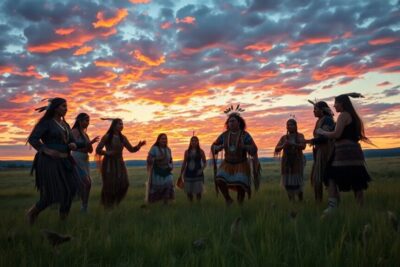
Traditional Ghost Dances involve circular formations and are accompanied by songs that express the community's longing for a better future. The dance gained prominence during the Ghost Dance Movement, where it served as a means of cultural revitalization and resistance against oppression. Even today, it remains a powerful reminder of the resilience of Native American cultures.
Jazz Dance: The Evolution of Rhythm
Jazz dance is a vibrant and expressive dance style that emerged alongside the jazz music genre in the early 20th century. Initially characterized by its improvisational nature, jazz dance reflects the spontaneity and creativity of its musical counterpart. Influences from African American dance traditions, such as the Charleston and the Lindy Hop, played a crucial role in shaping its development.

This dance style has evolved significantly over the decades, incorporating elements from ballet, hip-hop, and contemporary dance. Jazz dance is not only a performance art but also a popular form of social dancing, celebrated for its energy and flair.
The Sun Dance: Sacred Expressions of Gratitude
The Sun Dance is a sacred ritual practiced by various Indigenous tribes in North America. This ceremonial dance is performed to honor the sun and seek spiritual guidance. It involves a series of intricate movements that symbolize the connection between the earth and the heavens.

Traditionally, participants engage in fasting, singing, and dancing in a community setting, reinforcing bonds among tribe members. The Sun Dance is a powerful expression of cultural identity and spirituality, reflecting the deep respect Indigenous peoples have for nature and their ancestors.
Ice Dancing: A Fusion of Art and Sport
Ice dancing is a captivating discipline that combines the grace of figure skating with the rhythm of dance. Originating from ballroom dance traditions, ice dancing emphasizes fluid movements and artistic expression on the ice. It is a competitive sport featured in the Winter Olympics, showcasing breathtaking performances by couples.
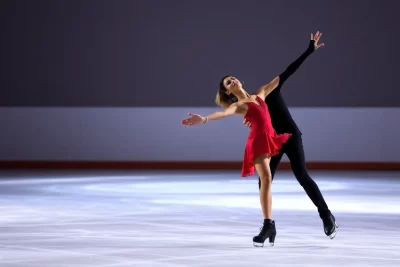
Unlike other forms of figure skating that focus on jumps and spins, ice dancing prioritizes the connection between partners and the interpretation of music. The costumes, music selection, and choreography all play vital roles in creating an engaging performance that resonates with audiences.
Tap Dance: A Rhythmic Legacy
Tap dance has a rich history rooted in African American culture, evolving from a blend of various dance forms, including Irish jigs and African rhythms. The unique sound of tap shoes striking the floor creates a musical aspect that sets it apart from other dance styles. This energetic dance form gained popularity in the mid-1800s and quickly became a staple in vaudeville shows and Broadway performances.

Throughout its evolution, tap dance has continued to adapt and innovate, incorporating elements from jazz and contemporary dance. Today, it serves as a powerful medium for storytelling, allowing dancers to express emotions and narratives through rhythm and movement.
Line Dance: A Celebration of Community
Line dance is a social dance form that promotes community participation and enjoyment. Originating in the 1950s, it gained immense popularity during the disco era and continues to thrive at dances and social gatherings worldwide. Line dances involve choreographed sequences of steps performed in lines, making it easy for participants of all skill levels to join in.

Some famous line dances include the Electric Slide and the Cupid Shuffle, which are often accompanied by upbeat music. The communal aspect of line dancing fosters a sense of belonging and celebration, making it a cherished part of many festivities.
Square Dance: A Timeless Tradition
Square dance is a lively folk dance that involves groups of four couples arranged in a square formation. This dance style traces its roots back to the English country dances of the 17th century and has since evolved into a popular social activity across North America. Square dancing is characterized by a series of calls that guide dancers through various formations and movements.
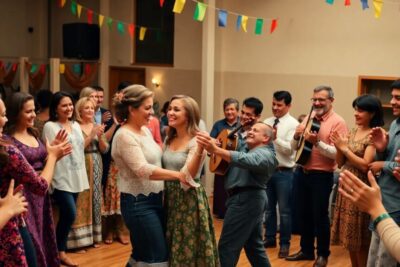
With its catchy music and interactive nature, square dancing has become a staple at community events, fairs, and social gatherings. The sense of camaraderie and shared experience makes square dancing a timeless tradition that continues to bring people together.
Contra Dance: A Historical Connection
Contra dance is a folk dance that involves long lines of couples facing each other, moving in intricate patterns. This dance style has its origins in 18th-century Europe and has maintained its popularity in the United States, especially in New England. Contra dancing emphasizes community participation and often features live folk music.
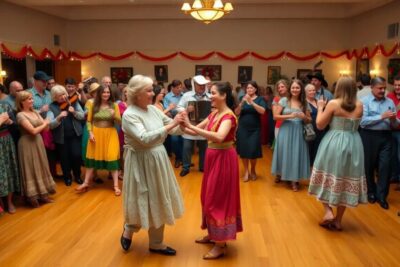
The dance consists of a series of figures and movements that require cooperation and coordination among partners. This sense of connection and interaction is at the heart of contra dance, making it a beloved tradition in many communities.
Folk Dance: A Tapestry of Cultural Heritage
Folk dance encompasses a wide range of traditional dances that reflect the cultural heritage of various regions and communities. Each folk dance tells a story, preserving the customs, beliefs, and history of its people. From the Irish jig to the Russian Khorovod, folk dances showcase distinct steps, music, and attire that vary across cultures.

Folk dances are often performed during celebrations, festivals, and community gatherings, fostering a sense of identity and belonging. They serve as a reminder of the rich tapestry of human culture and the importance of preserving traditions.
Disco Dance: The Spirit of the 70s
Disco dance emerged during the 1970s as a vibrant expression of nightlife and social culture. Characterized by its upbeat music and energetic movements, disco dance became synonymous with the disco era, where individuals showcased their unique styles on the dance floor. The dance incorporates a variety of steps, from simple grooving to elaborate spins and turns.
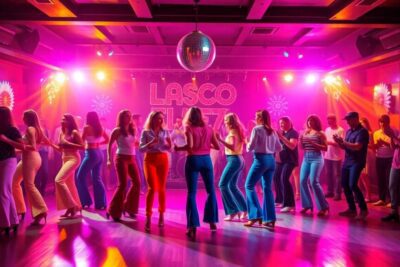
Disco dance is often associated with iconic venues, such as Studio 54, and has influenced contemporary dance styles. Today, it retains its nostalgic charm, celebrating the spirit of freedom and self-expression that defined an entire generation.
Understanding the Tango: Passionate Movements
The Tango is arguably one of the most recognized partner dances globally, known for its passionate and sensual movements. Originating in the late 19th century in the working-class neighborhoods of Buenos Aires, it fuses elements from various dance traditions, including African, European, and indigenous influences. Initially perceived as scandalous, Tango underwent a transformation in the early 20th century and became a symbol of Argentine culture.
This dance's intricate footwork and close connection between partners create a unique emotional experience. Tango is not just a dance; it is a dialogue between two bodies, expressing deep feelings through movement and music.
The Allure of Tango Dance
Tango dance captivates audiences with its elegance and expressiveness. Practiced worldwide, it allows dancers to explore their creativity while connecting with their partners in a profound way. The dance is characterized by sharp footwork and dramatic poses, often accompanied by the emotive sounds of tango music.
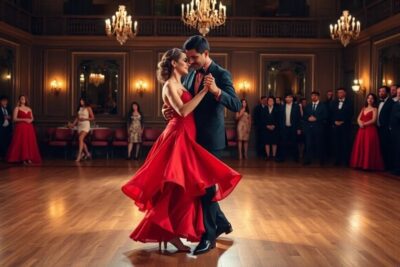
The connection between partners is central to Tango; it requires trust and communication, enhancing the performance's emotional depth. Tango has evolved into various styles, including ballroom tango and nuevo tango, each offering unique interpretations and experiences.
The History of Tango: A Cultural Journey
The history of Tango is intertwined with the social and political fabric of Argentina. Emerging from the blending of immigrant cultures, it reflects the struggles and passions of the people. By the early 20th century, Tango had gained international acclaim, becoming a significant part of the global dance scene.
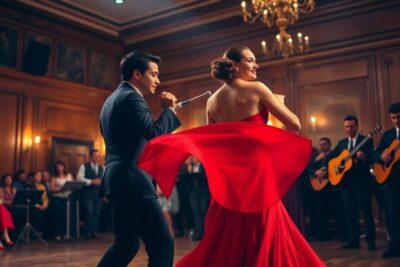
Throughout its history, Tango has influenced and been influenced by other musical genres, continually evolving while retaining its core essence. The cultural significance of Tango extends beyond dance; it encompasses art, literature, and national identity, making it a vital aspect of Argentine heritage.
Tango Music: The Heartbeat of a Dance
Tango music is as emotional and dynamic as the dance itself. Rooted in the sounds of Buenos Aires, it combines various influences, creating a distinctive style characterized by its dramatic melodies and rhythms. The bandoneon, a type of accordion, is central to Tango music, adding depth and soul to its sound.
As Tango music evolved, it incorporated elements from other genres, allowing it to resonate with broader audiences. Today, Tango music continues to inspire dancers and musicians alike, maintaining its relevance in contemporary culture.
Choosing the Right Tango Shoes
Wearing the appropriate tango shoes is crucial for dancers to execute the intricate movements and footwork of Tango effectively. These shoes are specifically designed to provide the necessary support, balance, and flexibility. The soles are often made of leather to allow for smooth gliding on the dance floor.
- Men's shoes typically feature a lower heel for stability.
- Women's shoes may have varying heel heights, allowing for personal expression.
- Both styles prioritize comfort and fit to enhance performance.
Choosing the right shoes can significantly impact a dancer's ability to connect with their partner and express themselves through movement.
The Elegance of Tango Dresses
Tango dresses are designed to accentuate the dancer's movements and enhance the overall aesthetic of the performance. These dresses often feature bold colors, flowing fabrics, and intricate designs that reflect the passion of Tango. The right dress not only allows for freedom of movement but also makes a statement on the dance floor.
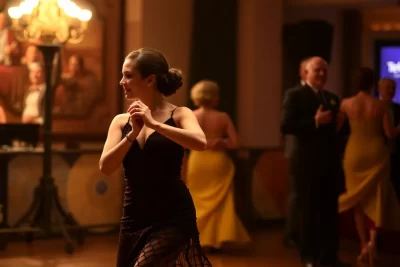
While contemporary Tango dresses may be more revealing, they still honor the dance's traditional roots, emphasizing elegance and femininity. The choice of attire can influence a dancer's confidence and expression during performances.
The Bandoneon: A Symbol of Tango
The bandoneon is an iconic instrument associated with Tango music, known for its unique sound that evokes deep emotions. Developed in Germany in the 19th century, it found its way into Argentine music, becoming a staple in Tango orchestras. Its expressive capabilities complement the dance, enhancing the connection between music and movement.

Tango musicians often use the bandoneon to convey the heartache and passion inherent in Tango, making it an essential element of the genre's identity.
Milonga Dance and Music: A Cultural Connection
Milonga dance and music are integral to the story of Tango. Originating as a precursor to Tango, milonga combines African and European musical elements, creating a distinct rhythm that encourages lively dancing. The dance features a more relaxed style compared to traditional Tango, allowing for greater improvisation.

Milonga gatherings foster a sense of community, where dancers and musicians come together to celebrate their shared love for the art form. The interplay between music and dance in milonga showcases the richness of Argentine cultural heritage.
Exploring Argentine Tango: A Global Phenomenon
Argentine Tango has become a global phenomenon, celebrated for its emotional depth and captivating movements. It transcends borders, with countless festivals, classes, and performances dedicated to this iconic dance. The unique blend of cultural influences that shaped Tango continues to inspire artists and dancers worldwide.
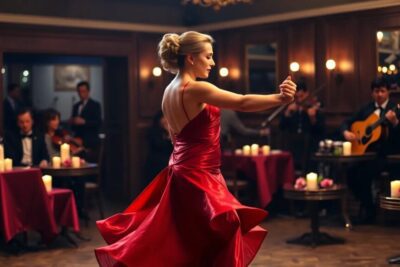
The evolution of Argentine Tango reflects the changing social landscape, allowing it to continuously adapt while retaining its core essence. It serves as a powerful reminder of the power of dance to connect people across cultures and generations.
Celebrating Dances of Argentina: A Rich Tapestry
Dances of Argentina extend far beyond Tango, showcasing the country's diverse cultural heritage. Folk dances, such as the Chacarera and Zamba, reflect regional traditions and historical narratives. Each dance tells a story, preserving the customs and identity of the various communities that contribute to Argentina's rich cultural tapestry.
Argentina's dance scene continues to evolve, with contemporary styles emerging alongside traditional forms. This dynamic interplay between history and innovation showcases the country's vibrant artistic spirit.
The Diverse Music of Argentina
While Tango is perhaps the most famous musical form from Argentina, the country's music scene is incredibly diverse. From traditional folk music to contemporary pop and rock, Argentina boasts a wide array of sounds and styles. Folk music, in particular, plays a crucial role in preserving cultural identities and traditions.
Regional variations reflect the influences of indigenous cultures, European immigrants, and contemporary artists, making Argentine music a rich and dynamic landscape that continues to evolve.
The Salsa Phenomenon: A Global Dance Movement
Salsa has emerged as one of the most popular dance styles worldwide, characterized by its infectious rhythms and vibrant movements. Originating from the fusion of Cuban son and other Afro-Caribbean rhythms, Salsa gained international recognition during the 20th century, especially after its popularization in New York City.
The dance incorporates a range of influences, creating a lively and energetic experience that captivates dancers and audiences alike. Salsa's cultural roots highlight the significance of community and celebration, making it an essential part of Latin heritage.
The History of Salsa: From Roots to Popularity
The history of Salsa is a fascinating journey that traces its origins back to early 20th-century Cuba. The music and dance evolved through cultural exchanges among diverse communities, blending rhythms and styles to create a unique genre. Salsa's rise to prominence in the United States during the 1970s marked a significant cultural moment, as it became a symbol of Latino identity and pride.

Through various iterations and innovative fusions, Salsa has continued to grow, adapting to contemporary influences while retaining its core essence.
Salsa Dance: An Expression of Joy
Salsa dance is celebrated for its joyful and dynamic movements, making it a favorite among dancers of all levels. The dance encompasses various styles, including Cuban Salsa, LA-style, and New York-style, each offering unique interpretations and techniques. This versatility allows dancers to express themselves freely and connect with their partners on the dance floor.

Salsa dance encourages improvisation, fostering creativity and spontaneity. The social aspect of Salsa makes it a communal experience, bringing people together through rhythm and movement.
Salsa Music: The Heartbeat of the Dance
Salsa music serves as the driving force behind the dance, characterized by vibrant rhythms and melodic hooks. It incorporates elements from various genres, including jazz, rock, and traditional Latin music, creating a rich and diverse sound. Prominent Salsa artists, such as Celia Cruz and Marc Anthony, have played a significant role in popularizing the genre, showcasing its ability to transcend cultural boundaries.
The infectious energy of Salsa music inspires dancers to move and connect, making it a powerful cultural expression that resonates with audiences worldwide.